English| EUR
Suggested for you
More currencies
Book Now
Open today · 00:00–23:59

Norway Whale Watching Tour

Norway Whale Watching Tour — Arctic Safaris from Tromsø

Orcas and humpbacks in the fjords, tracked by hybrid catamarans and high-speed vessels.

50K+ travelers chose this
Free Cancellation
Right now: Moderate — early autumn season
Free Cancellation
Free cancellation Instant confirmation Mobile voucher Verified partner Book now, pay later
0 NOK
Entrance fee
Whale watching is a commercial tour activity
07:00–09:00
Best arrival
Tours depart early to maximize daylight
24/7
Opening hours
Accessible daily for tour coordination
Tromsø
Primary hub
Departure point in Tromsø Harbor Area
Choose your ticket

Norway Whale Watching tickets at a glance

Compare fares, pick the fit — all bookings are mobile-voucher and eligible for free cancellation where shown.

Tromsø Whale Watching Safari by High-Speed Catamaran 8 hr
Guided Experience

Tromsø Whale Watching Safari by High-Speed Catamaran

4.6 (3772)
$225
  • Expert local guide
  • Small group
  • Skip-the-line access
  • Free cancellation
Book this ticket
Skjervøy RIB Boat Whale Watching Expedition 12 hr
Guided Experience

Skjervøy RIB Boat Whale Watching Expedition

4.8 (1281)
€296
  • Expert local guide
  • Small group
  • Skip-the-line access
  • Free cancellation
Book this ticket
Compare options

Compare Norway Whale Watching ticket options

Selecting the right norway whale watching tour requires choosing between silent hybrid vessels and fast RIB speedboats to suit your Arctic adventure. These whale safari excursions offer various perspectives on marine life across the stunning fjords near Tromsø.

Top pick
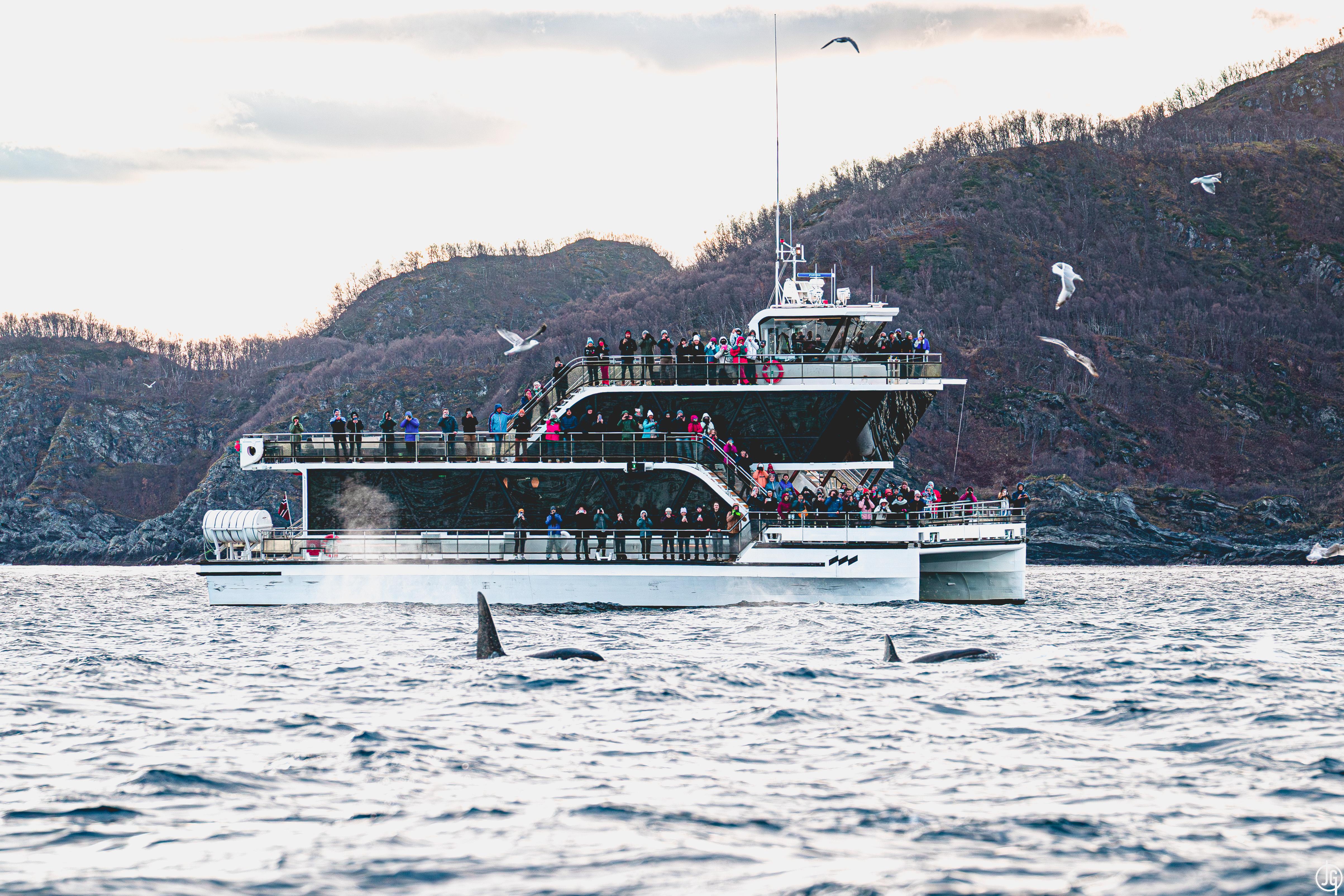
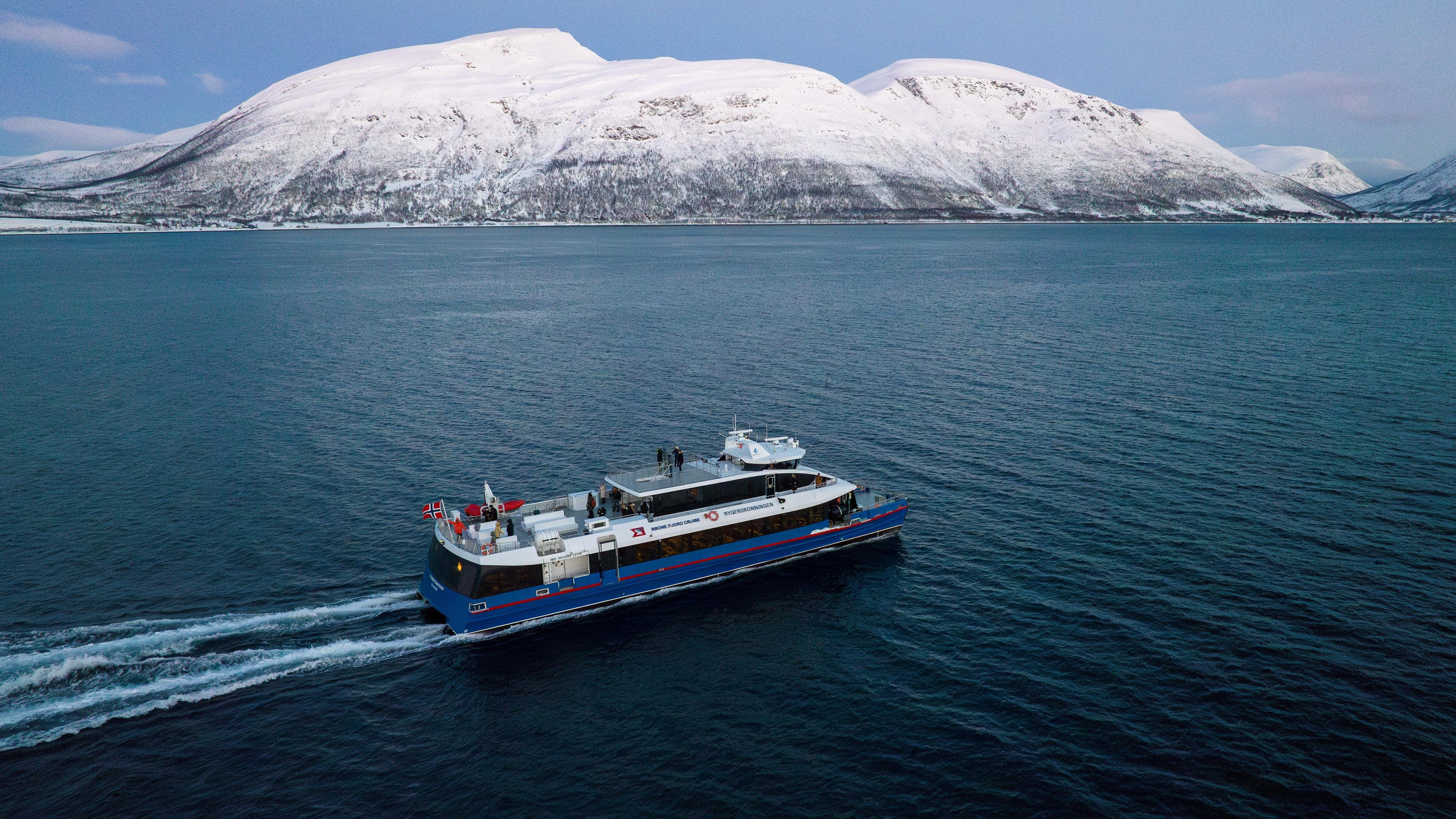
Hybrid Catamaran Silent Observation
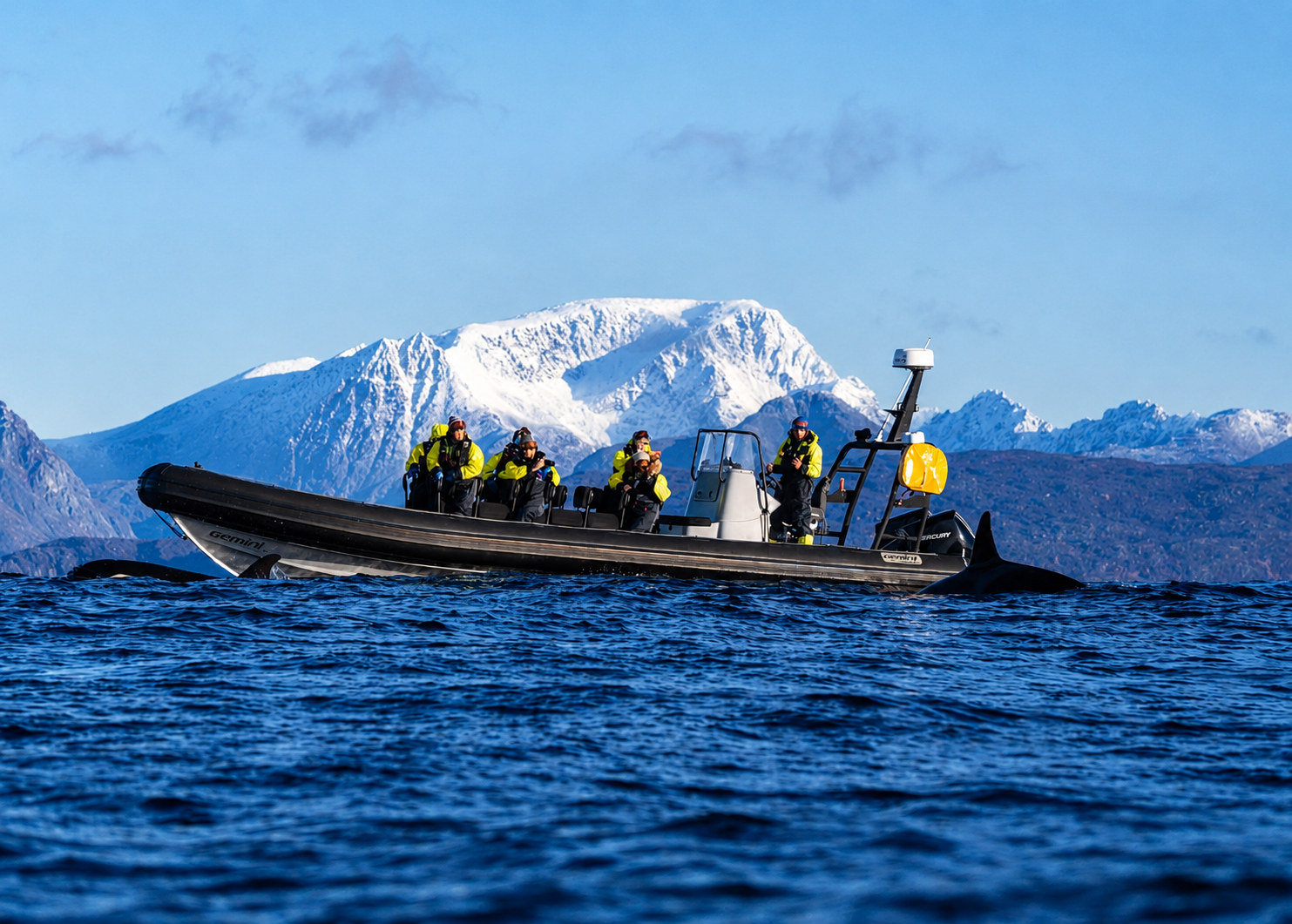
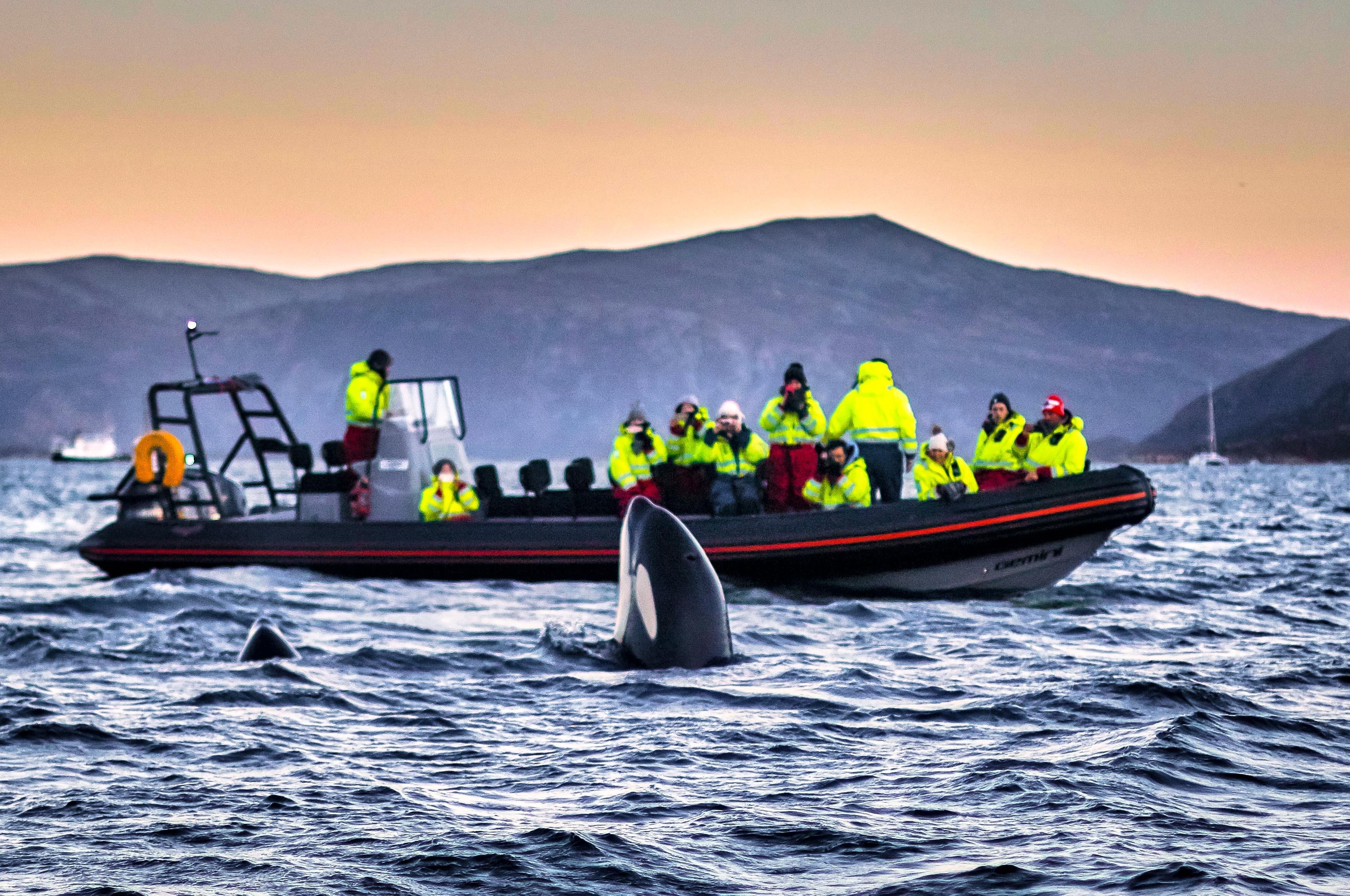
RIB Speedboat Fast Close-up
Duration 3.5 hours
Access Method Outdoor Seating
Sightings Guarantee Rebooking offered
Meals Included Included
Best for Photography enthusiasts

Verdict: Choose the silent hybrid boat for a comfortable, extended norway whale watching tour experience, or the RIB if you prefer speed and proximity.

Is a Norway Whale Watching Tour Worth the Investment?

Worth it for wildlife enthusiasts and winter travelers

A norway whale watching tour delivers Arctic marine encounters that few destinations can match, though success depends on realistic expectations about wildlife behavior. Tours departing from Tromsø Harbor Area operate November through January when humpback whales and orcas follow herring migrations into fjords, creating reliable sighting windows that justify the 1,200–1,900 NOK range across hybrid-electric catamarans, high-speed vessels, and RIB boat expeditions. The specialized nature of these excursions—trained marine biologists onboard, small-group formats, and adherence to strict approach protocols—means you're funding conservation-minded operations rather than crowded tourist boats. Sighting rates hover around 85–90% during peak season, but Arctic conditions bring variables: rough seas can limit access, and whales surface on their own schedule. The value proposition holds for travelers who prioritize responsible wildlife observation over guaranteed photo ops, and who understand that a norway whale watching tour tour isn't a zoo visit but a genuine expedition into orca hunting grounds and humpback feeding territories.

What makes it worth it

  • Peak season sighting rates exceed 85 percent
  • Expert marine biologists provide real-time cetacean interpretation
  • Hybrid-electric and small-group options minimize environmental impact
  • Fjord access brings encounters within meters of vessels
  • Winter departures align with herring migration patterns

Keep in mind

  • Arctic weather can force itinerary changes
  • No refunds for non-sightings on most tickets
  • Multi-hour commitment with limited shelter on RIBs
  • Seasickness risk in open Norwegian Sea conditions

Bottom line: If you value ethical wildlife access over certainty, norway whale watching tour tickets deliver encounters that land-based observation cannot.

Head to head

Large Catamaran vs. RIB Boat: Choosing Your Norway Whale Watching Tour Experience

Catamarans provide a stable platform for marine mammal observation, while RIB boats offer a high-speed adventure that brings passengers closer to the arctic wildlife. Choosing the right norway whale watching tour depends on your preference for comfort versus agility.

Top pick
Catamaran Tour
RIB Boat Expedition
Vessel Stability
Observation Angle
Group Size
Comfort Facilities
Speed to Sightings Low;Observation Angle
Group Size
Comfort Facilities Fast transit times

Verdict: Those seeking comfortable norway whale watching tour tickets should choose the catamaran, whereas thrill-seekers prioritizing speed and proximity will prefer the RIB boat tours.

Featured Experiences

Popular Norway Whale Watching tours & activities

Hand-picked experiences loved by thousands of travelers

Recommended Experience

Powered by GetYourGuide

Another traveler favorite

Powered by GetYourGuide
Arctic Whale Safari from Tromsø to Skjervøy 12 hours Free Cancellation

Arctic Whale Safari from Tromsø to Skjervøy

Witness orcas and humpback whales feeding in Arctic fjords on this full-day adventure from Tromsø

4.7 (1211)
FromFrom $365.47
See details
Tromsø Whale Watching Catamaran Safari 7.5 hours Free Cancellation

Tromsø Whale Watching Catamaran Safari

Hunt for orcas and humpbacks aboard a swift catamaran through Arctic fjords and dramatic winter seascapes

4.7 (662)
FromFrom €184.19
See details
Arctic Whale Safari aboard MS Gabriele 6 to 8 hours Free Cancellation

Arctic Whale Safari aboard MS Gabriele

Witness orcas and humpback whales hunting herring in Norway's Arctic waters on a full-day catamaran expedition

4.3 (1953)
FromFrom €185.11
See details
Tromsø Whale Watching Safari on MS Alba 8 hours Free Cancellation

Tromsø Whale Watching Safari on MS Alba

Eight-hour Arctic voyage seeking orcas and humpback whales in Norwegian fjords with expert guides

4.7 (53)
FromFrom €151.79
See details
Responsible Whale Safari from Andenes by Catamaran 3 to 5 hours Free Cancellation

Responsible Whale Safari from Andenes by Catamaran

Search for sperm whales, orcas, and dolphins on a guided Arctic ocean adventure with marine biologists

4.4 (279)
FromFrom €153.46
See details
Bleik Whale Watching RIB Adventure with Wildlife 3.5 hours Free Cancellation

Bleik Whale Watching RIB Adventure with Wildlife

Speed across Bleik Canyon hunting sperm whales, puffins and seals on this thrilling Arctic speedboat safari

4.6 (452)
FromFrom €175.86
See details
Altafjord Whale Safari in Heated Comfort Boat 4 hours Free Cancellation

Altafjord Whale Safari in Heated Comfort Boat

Search for orcas and humpbacks in Norway's stunning Altafjord aboard a cozy, climate-controlled vessel

5 (80)
FromFrom €231.39
See details
Overnight Northern Lights & Whale Safari Cruise 1 day Free Cancellation

Overnight Northern Lights & Whale Safari Cruise

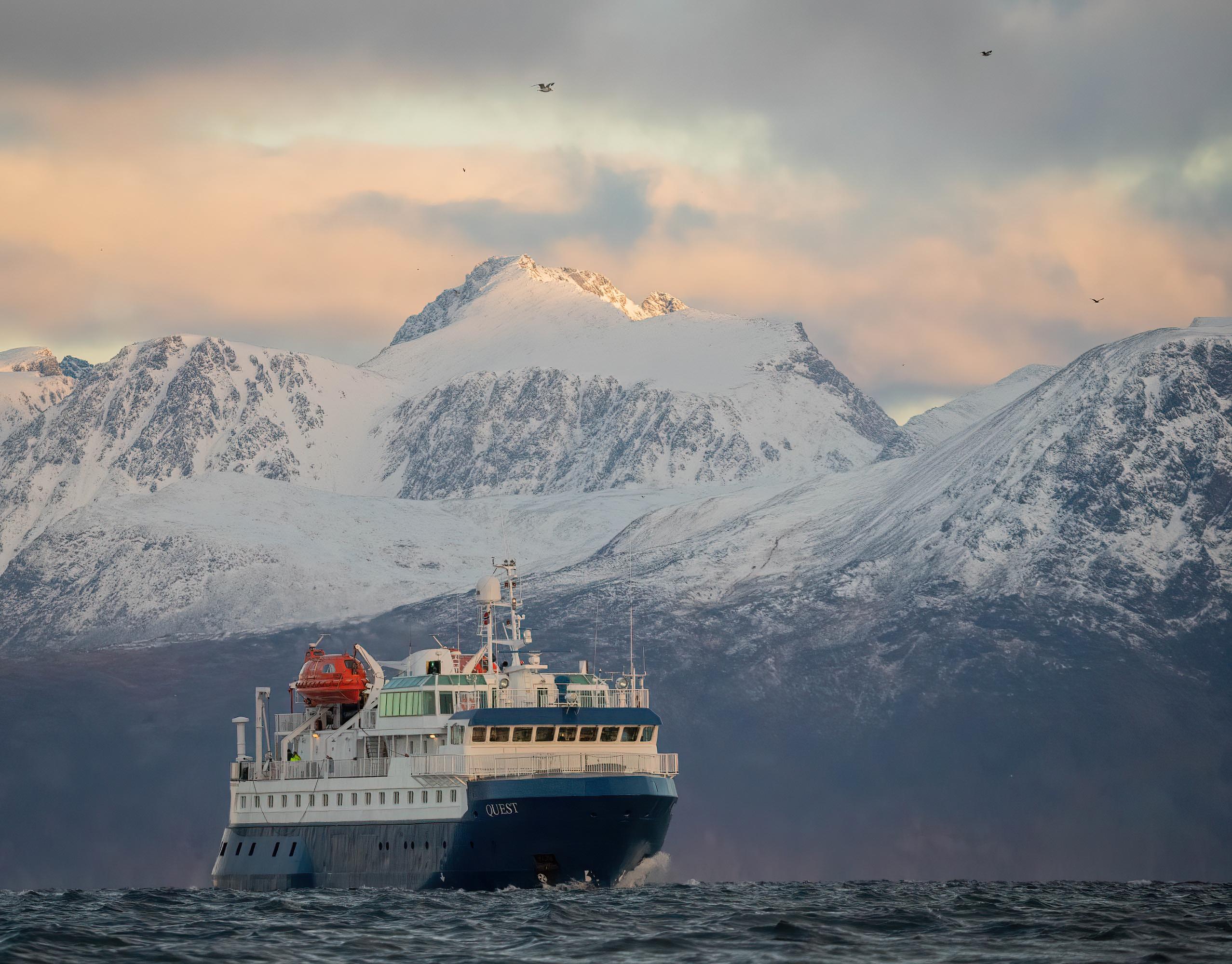
Sleep aboard MV Quest and wake in Arctic fjords for whale encounters and Aurora hunting under dark skies

4.9 (47)
FromFrom €601.53
See details
Your journey

Your Norway Whale Watching day, step by step

1

Arrival

Arrive at Tromsø Harbor Area by 09:00.

2

Boarding

Check in and safety briefing before boarding the vessel.

3

Sailing

Navigate through fjords to prime whale spotting locations.

4

Return

Disembark at the harbor after concluding your whale watching tour.

What you'll see

What you'll see at Norway Whale Watching

Humpback Whale Migration

Humpback Whale Migration

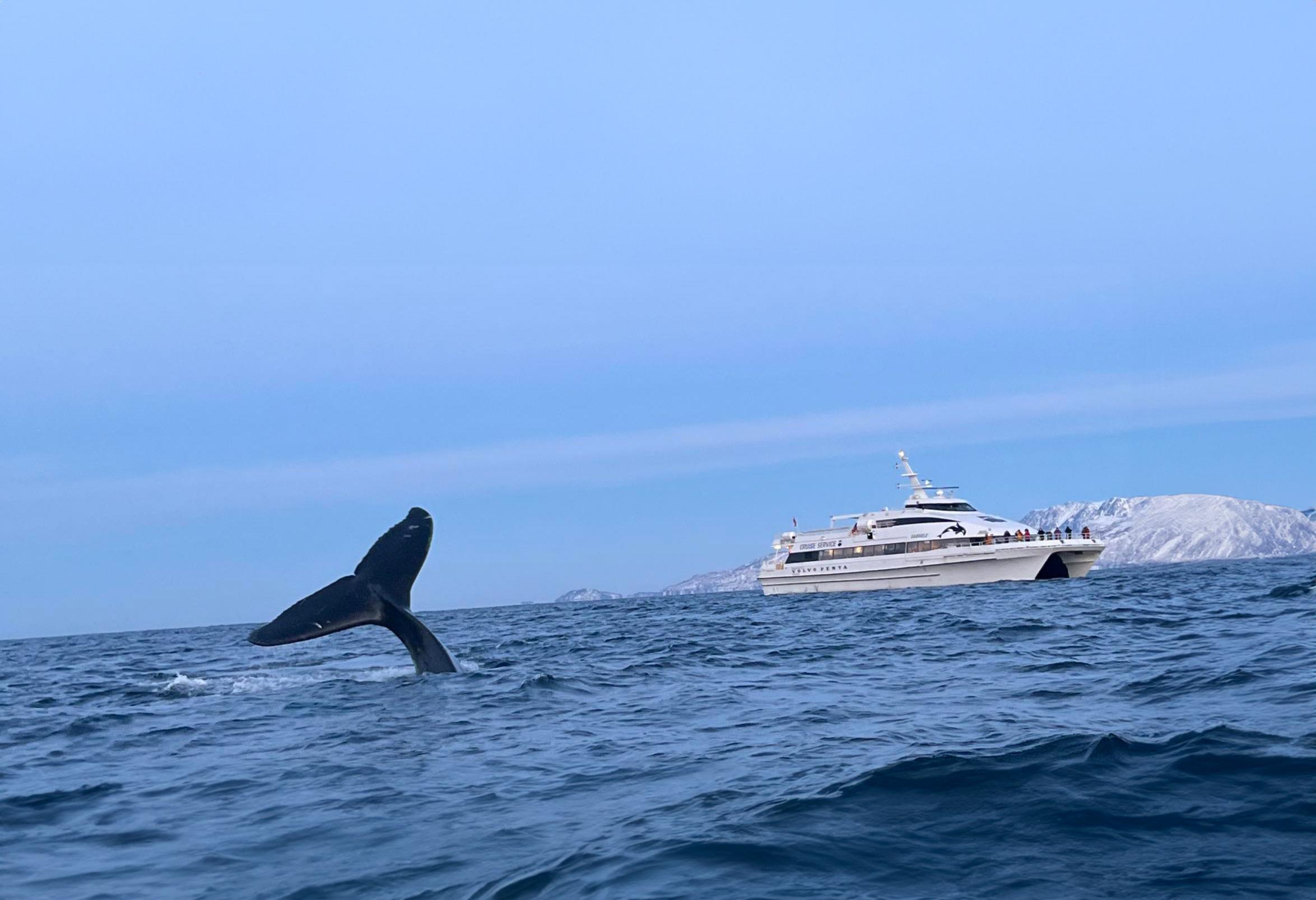
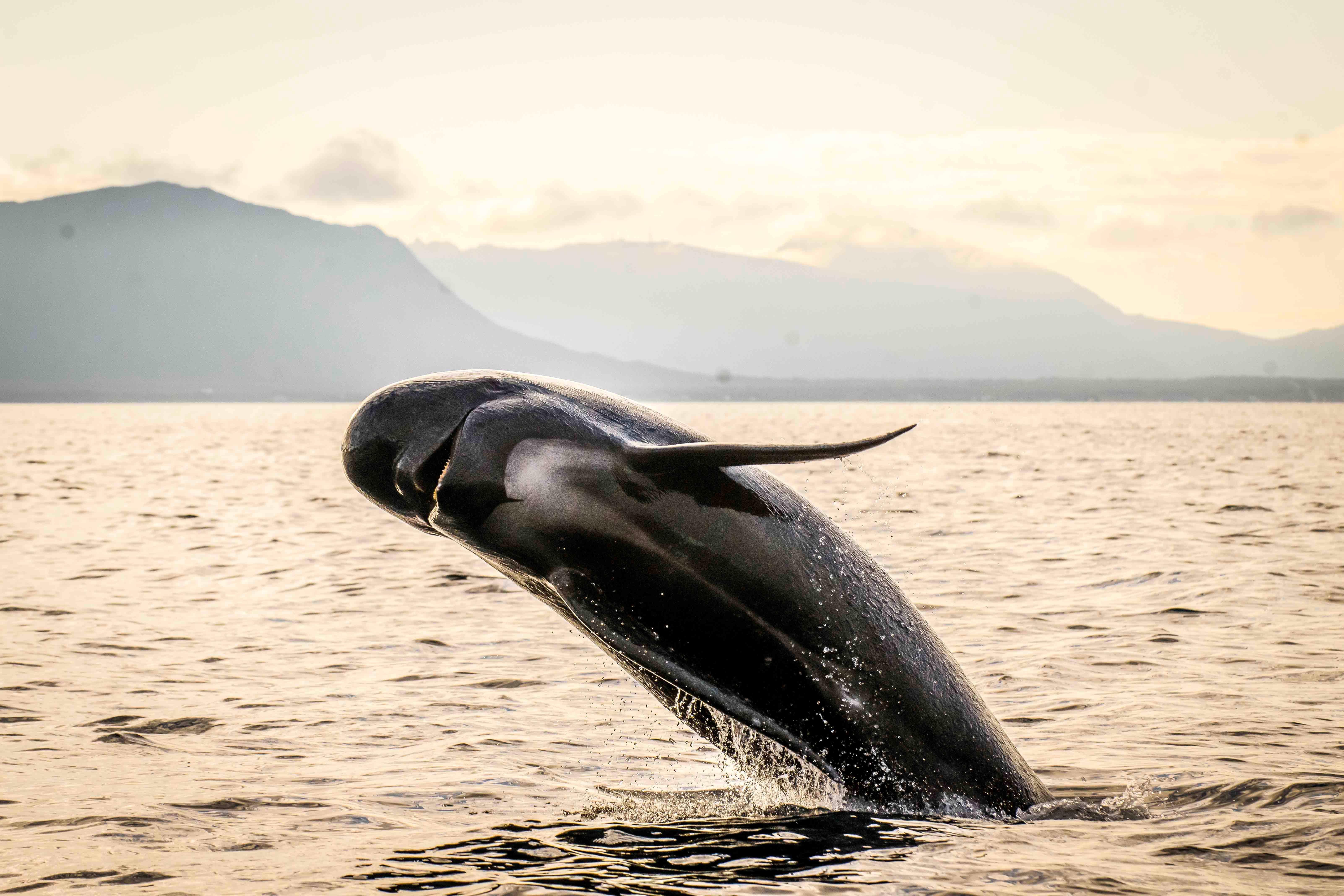
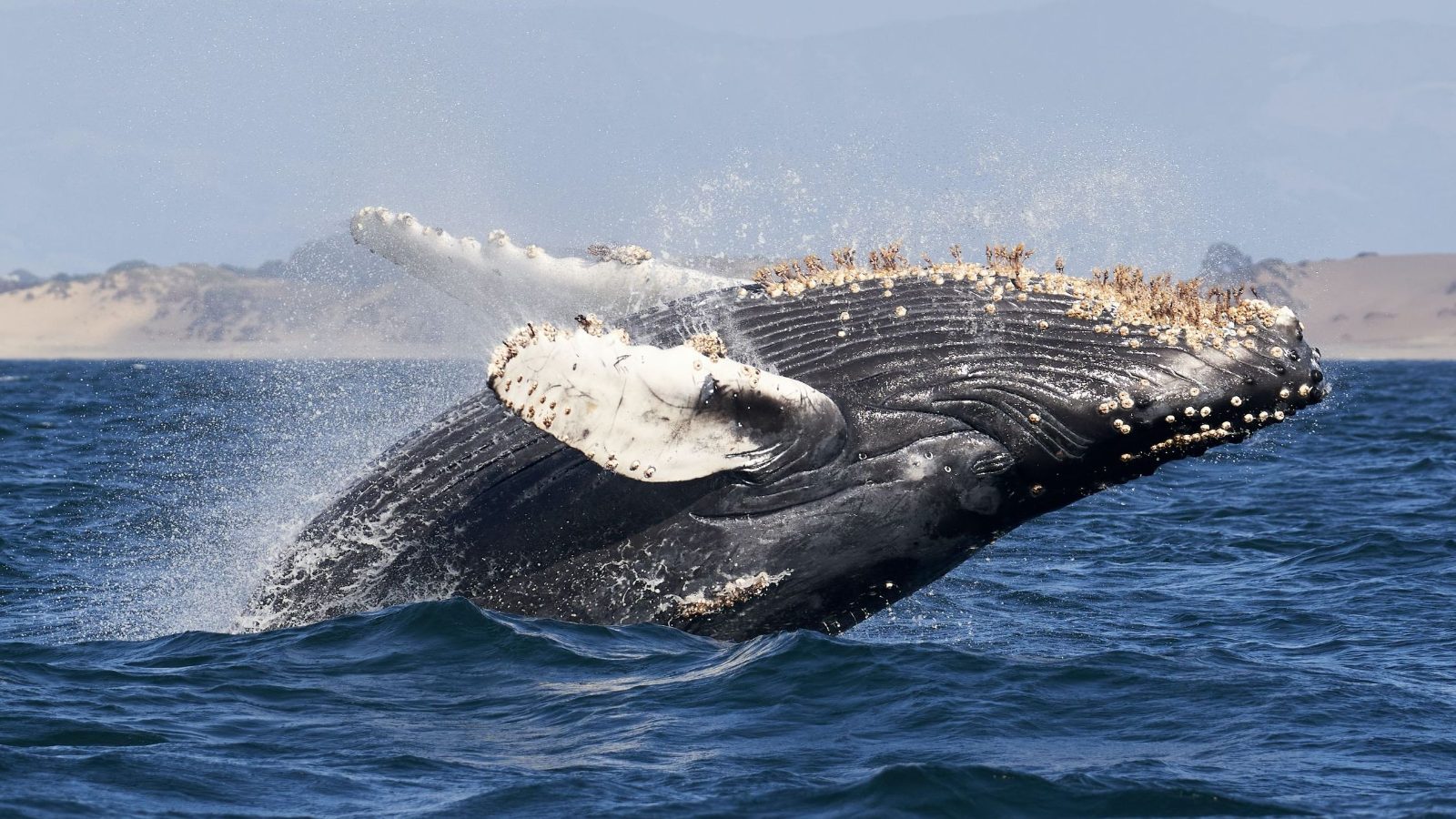
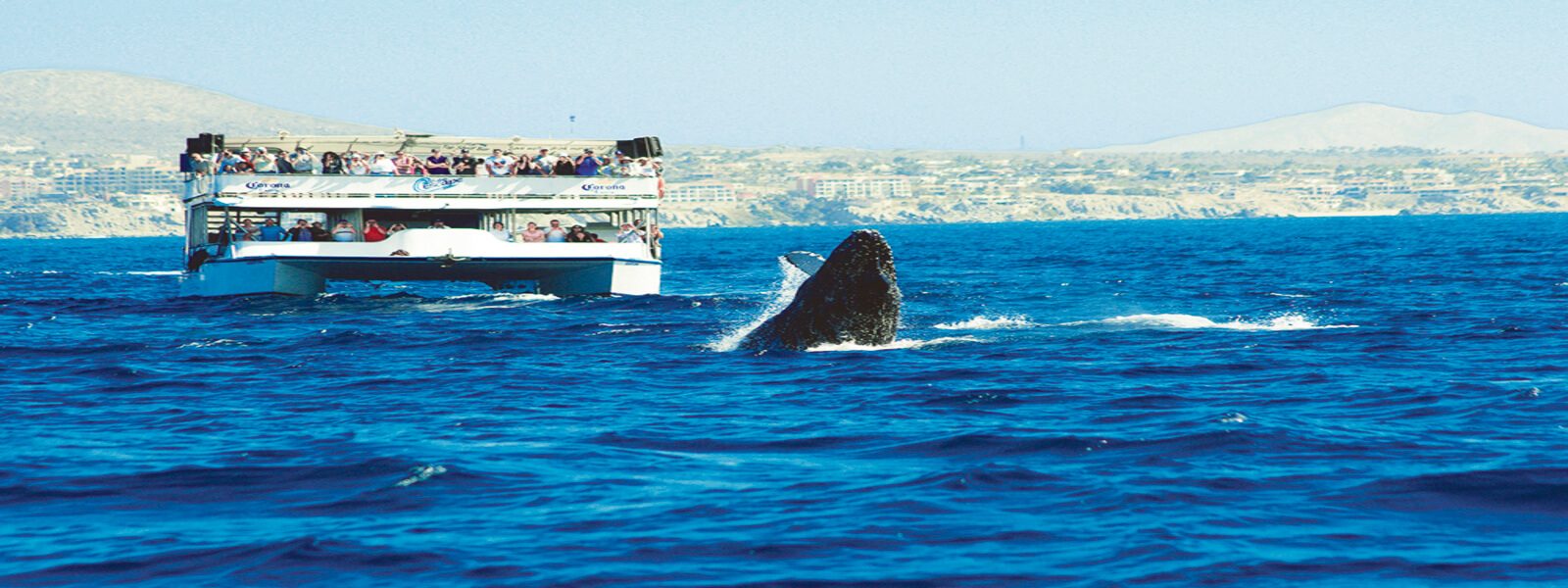
Witness the massive humpback whales feeding in the deep fjords surrounding Tromsø. These mammals are frequently seen breaching during a successful norway whale watching tour.

Orca Pods

Orca Pods

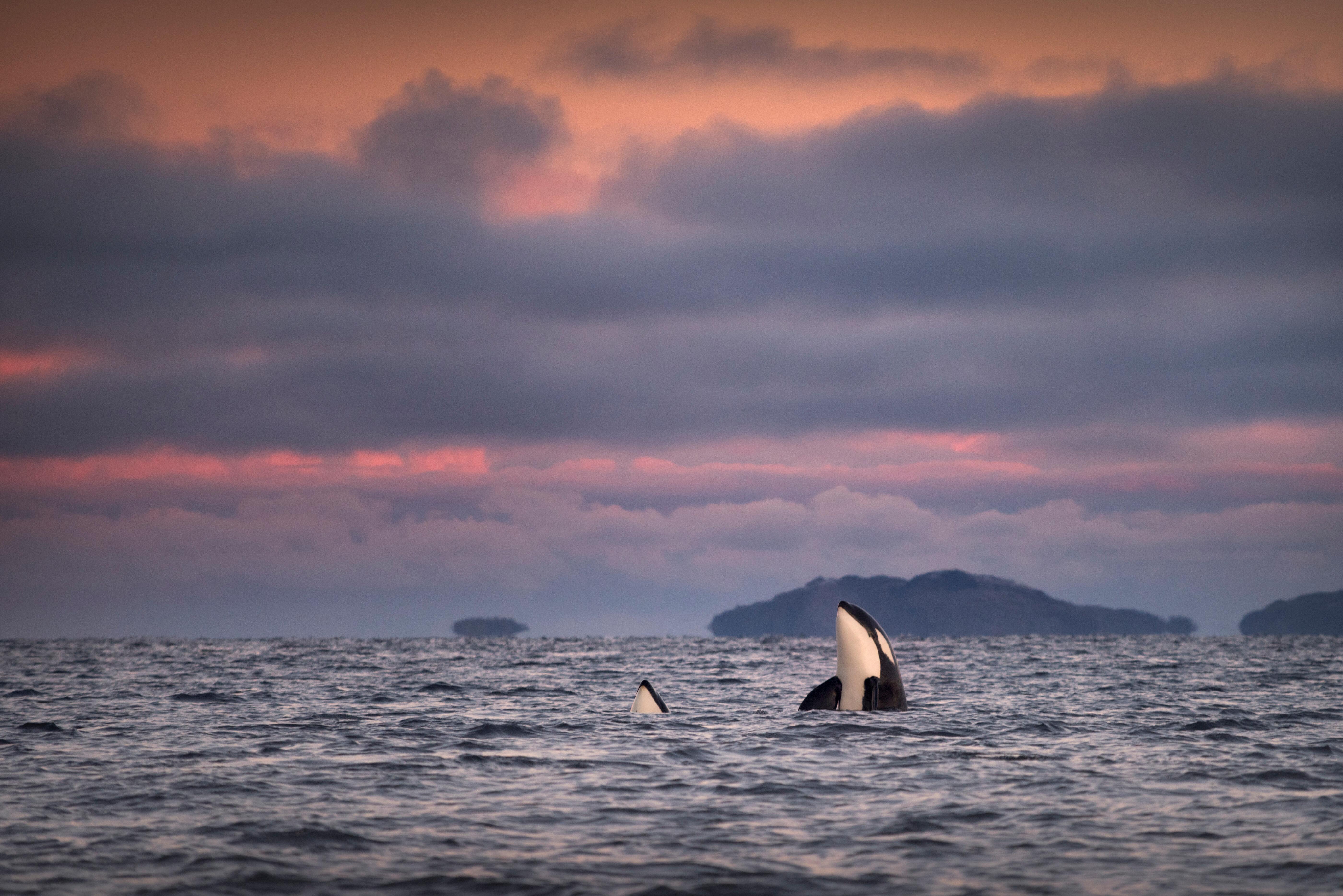
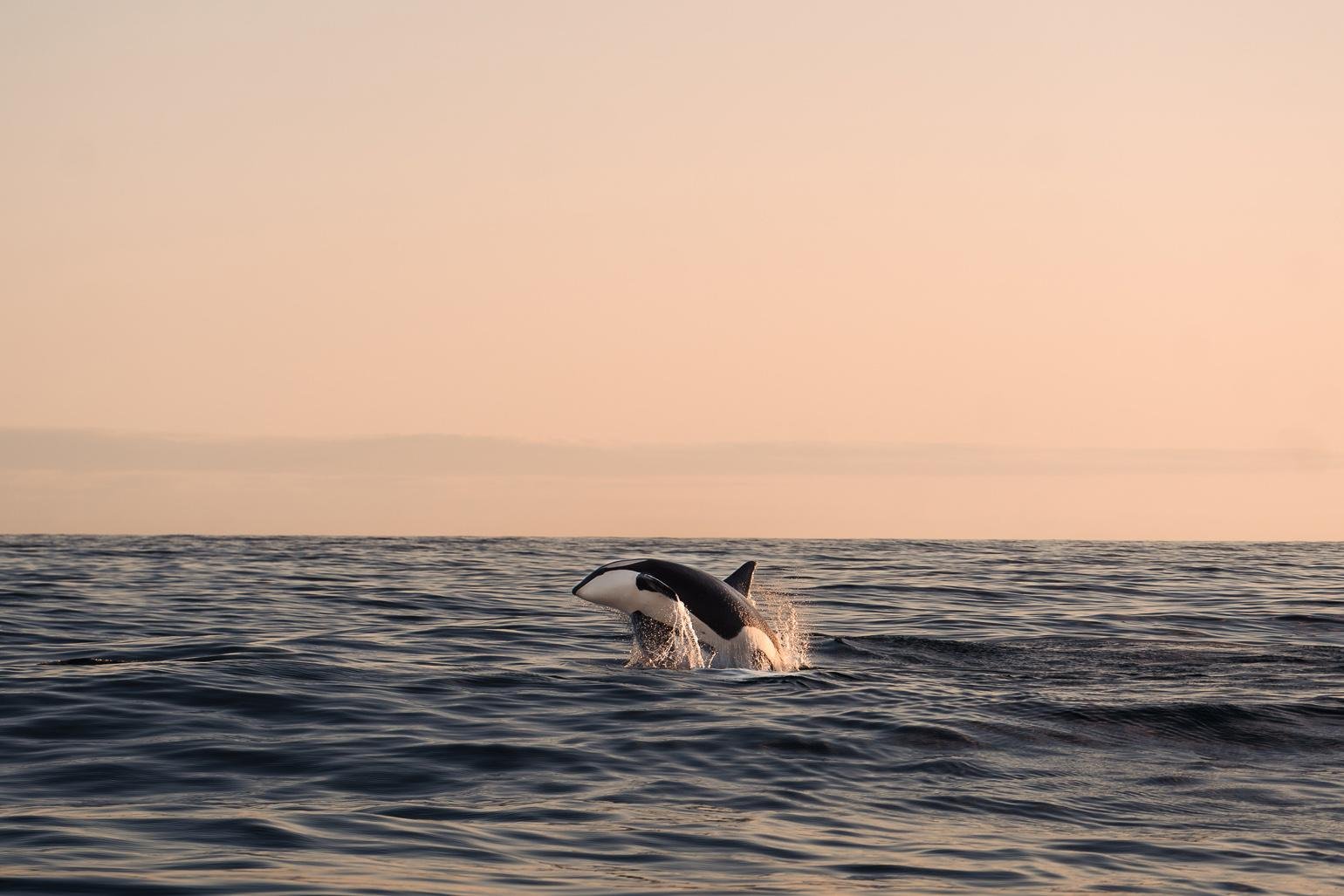
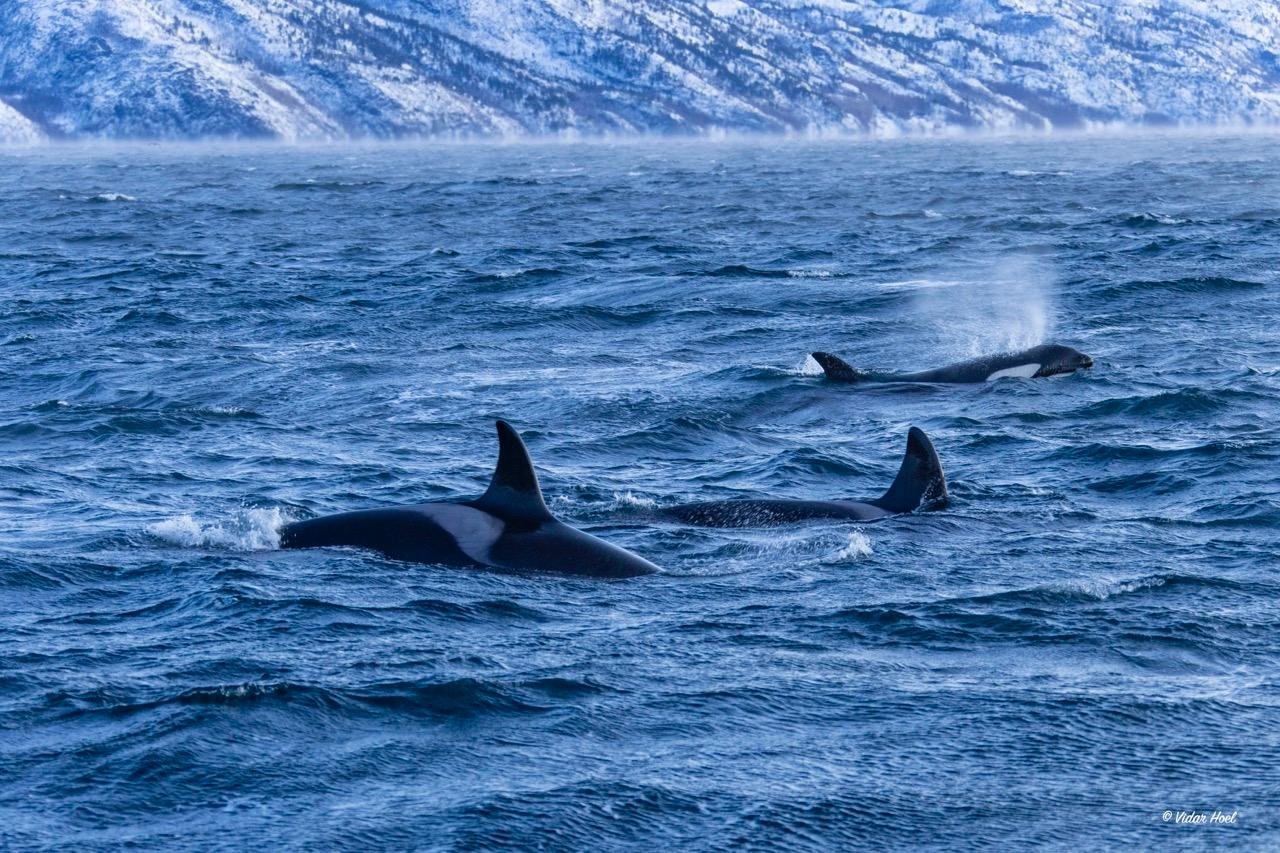
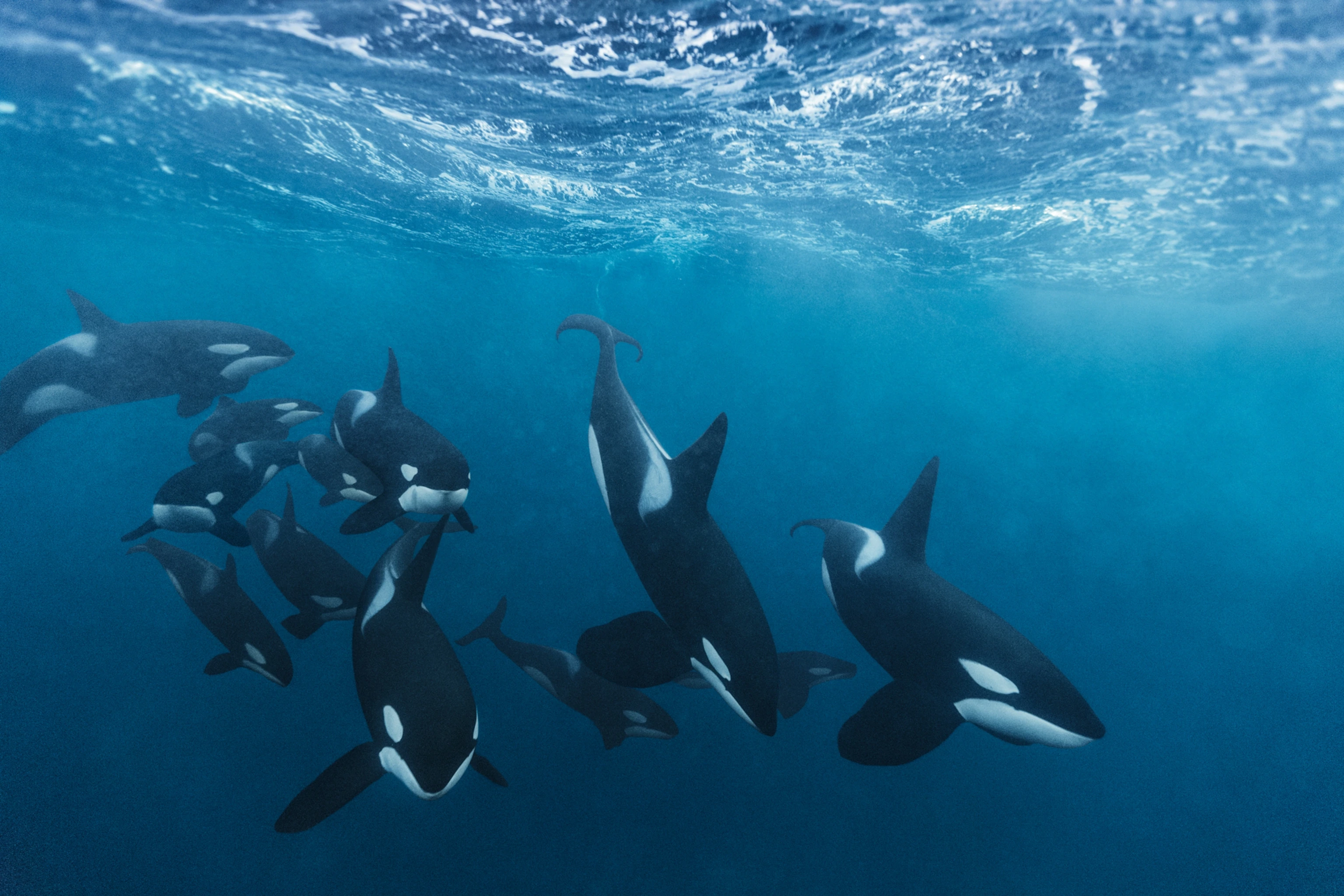
Observe family groups of orcas traveling through the Arctic waters. They are often spotted near the surface during the winter season.

Herring Runs

Herring Runs

Follow the biological migration of herring, which dictates the movement of larger marine predators. Understanding this cycle improves your chances of sightings.

Arctic Fjord Scenery

Arctic Fjord Scenery

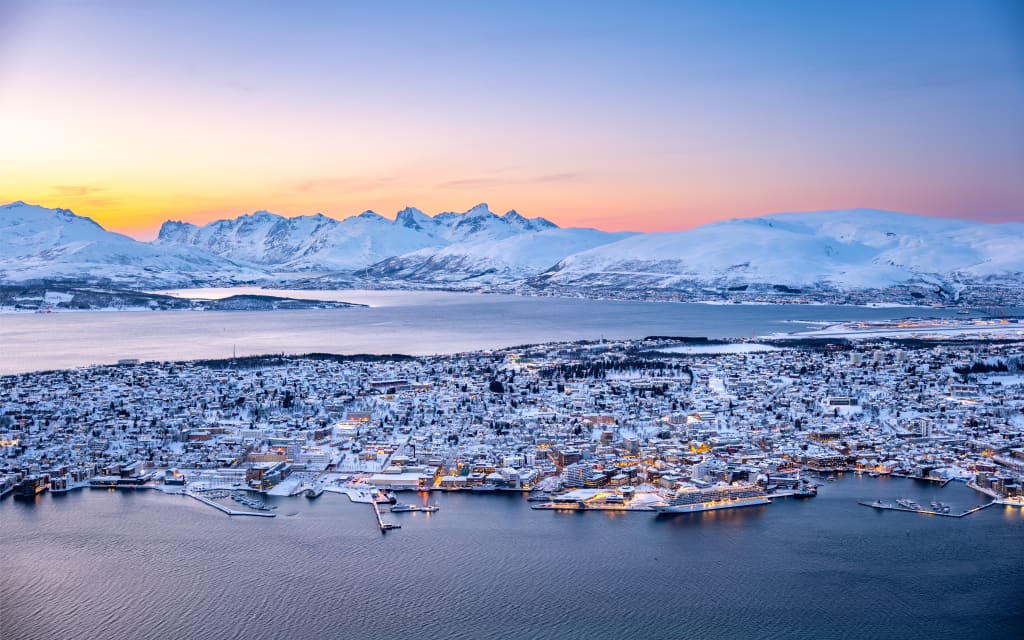
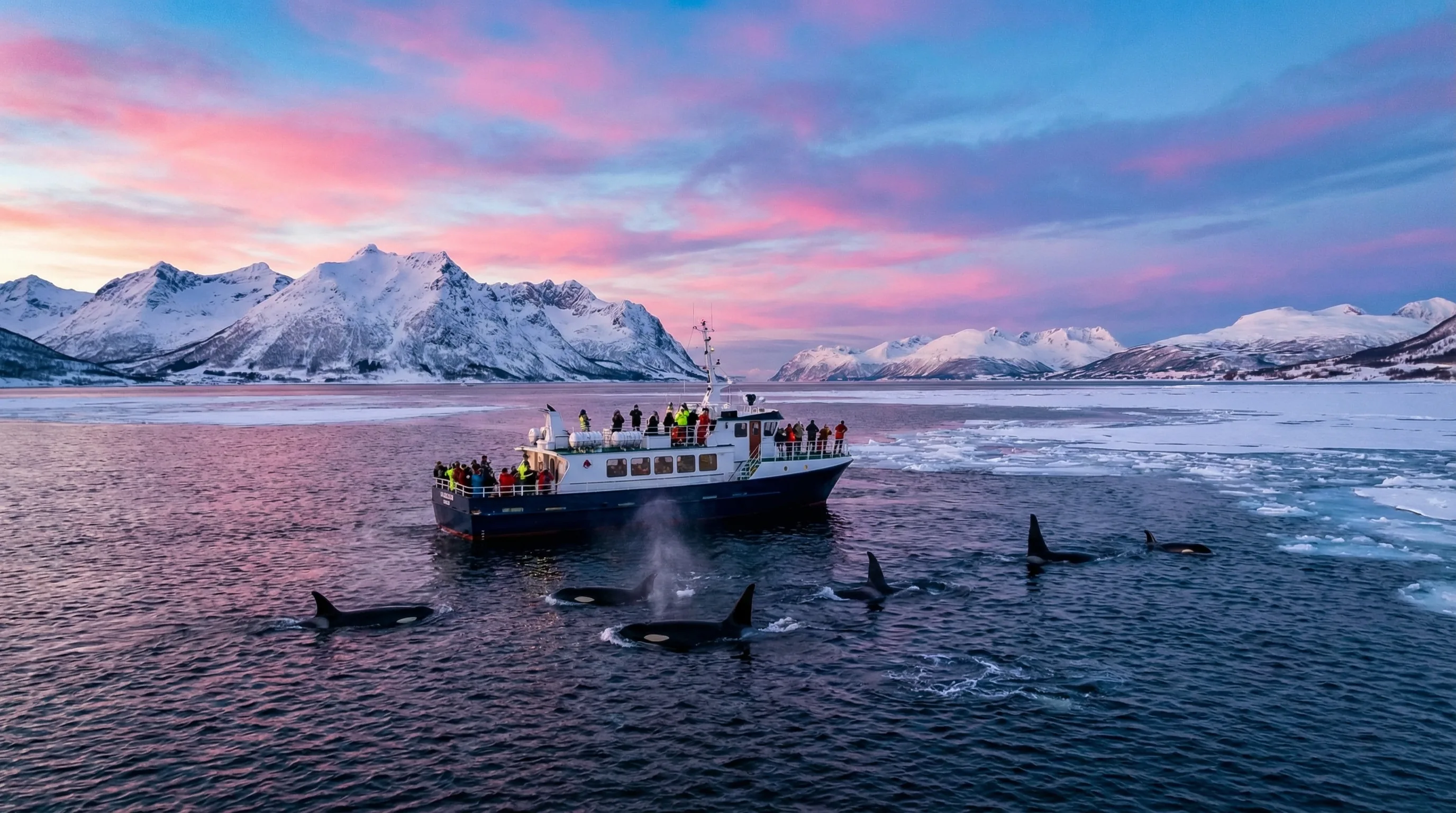
Enjoy the dramatic backdrop of snow-capped mountains and steep cliffs while searching for marine life. The landscape itself is as remarkable as the whales.

The experience

What visiting Norway Whale Watching is really like

You board at Tromsø Harbor between 7:00 and 9:00, depending on your vessel. The catamaran's interior cabin holds 80 seats, but you move to the aft observation deck as the boat clears the harbor breakwater. The city's wooden houses and illuminated Arctic Cathedral recede behind you.

Read more Show less

Within 30 minutes, the fjord narrows and mountains close in on both sides, their ridges white against the gray morning sky.

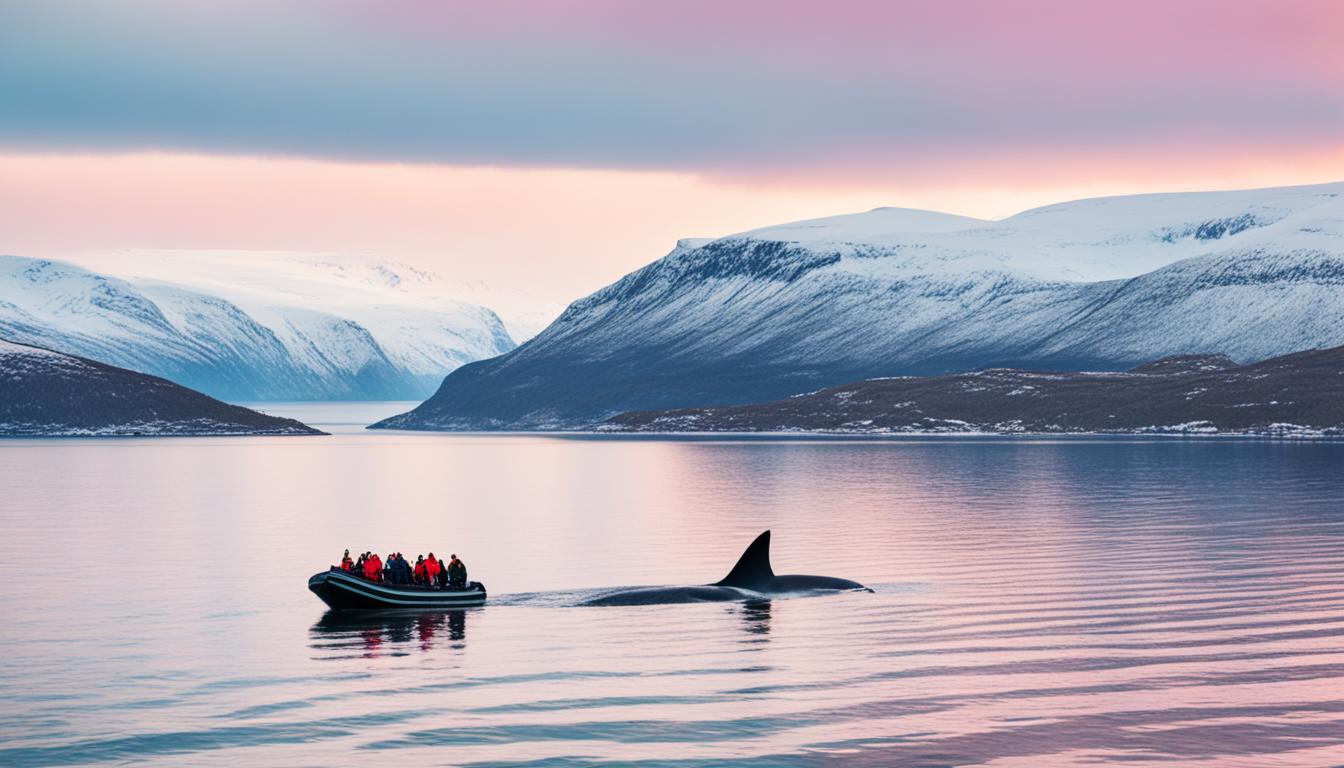
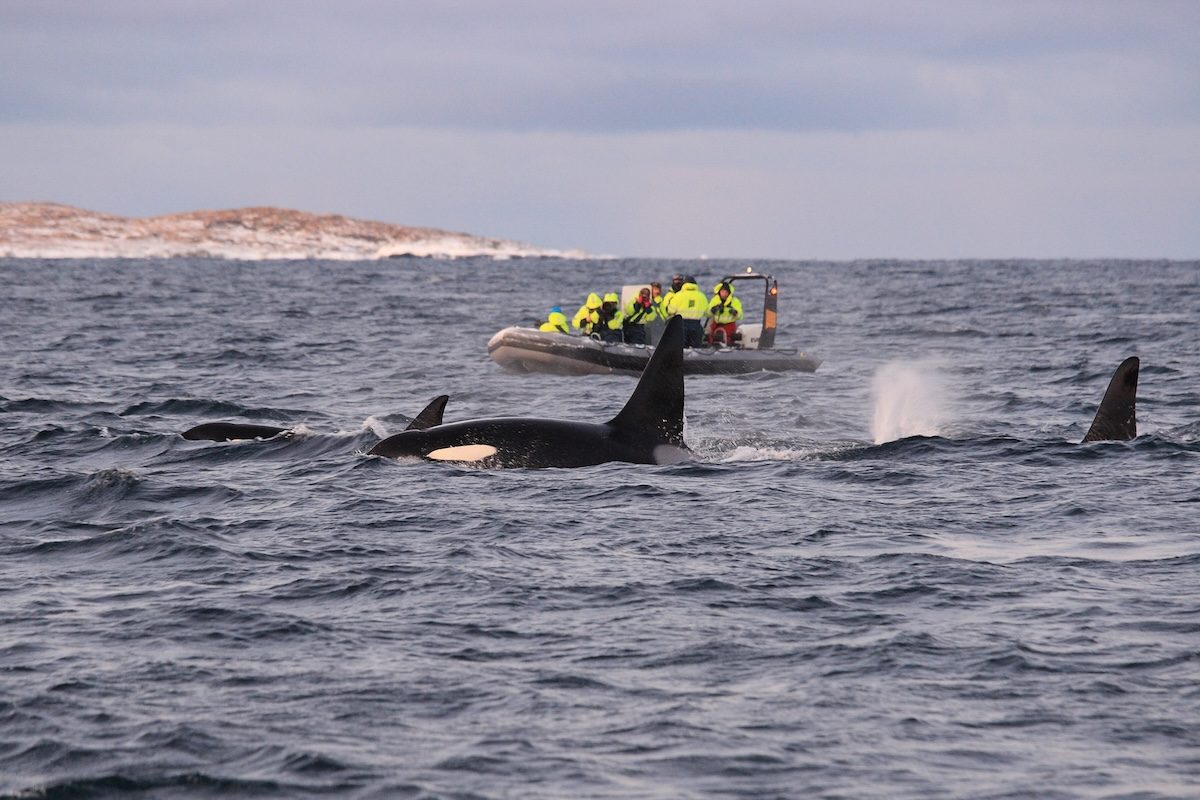
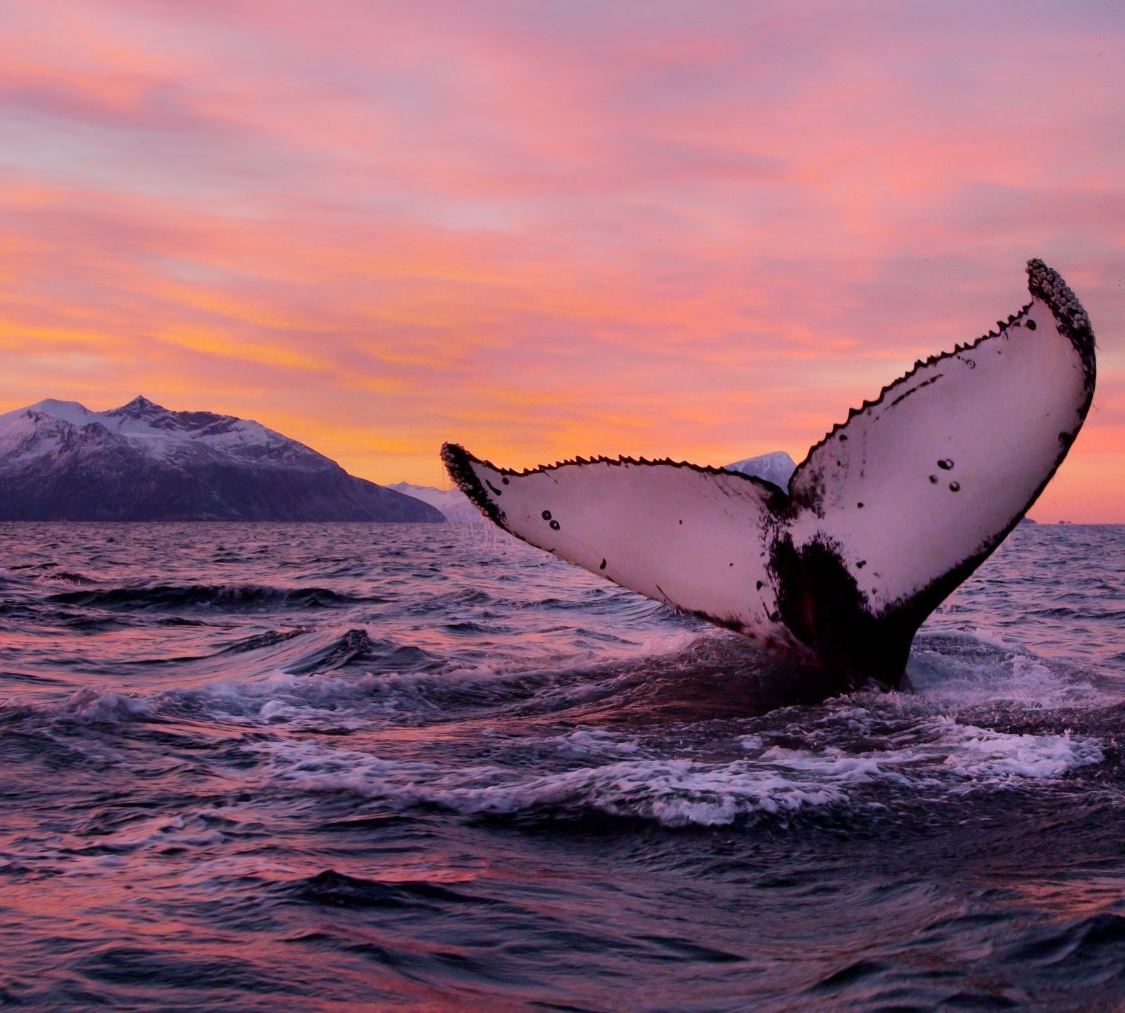
Two hours out, the captain cuts the engine. The marine biologist points to a dark shape 200 meters off the port side: a dorsal fin, then another, then five more in a staggered line. The orcas surface in rhythm, blowing mist into the cold air. You watch them circle a herring school, tightening the perimeter until the water churns. One orca slaps its tail against the surface, and stunned fish float upward. The pod feeds for 20 minutes before moving on. A humpback breaches 400 meters to starboard, its body clearing the water entirely before crashing back in a white explosion. You stay on deck despite the wind chill, scanning the horizon for the next blow.

Norway Whale Watching Tour
Everything You Need to Know

Your complete Norway Whale Watching guide

All the details about your upcoming adventure in one place

Between November and February each year, herring migrate south along Norway's northern coast in schools so dense they blacken the water. Orcas and humpback whales follow, hunting in coordinated pods that draw scientists and visitors from across Europe.

The phenomenon centers on the waters between Tromsø and Skjervøy, a 200-kilometer stretch of fjords where cold Atlantic currents meet nutrient-rich runoff from glacial rivers. Commercial whale watching in the region began in the early 2000s, but the industry formalized in 2015 when Norway's Directorate of Fisheries introduced seasonal licensing and mandatory distance protocols. Vessels must maintain 100 meters from orcas and 200 meters from humpbacks unless the animals approach independently, which they frequently do.

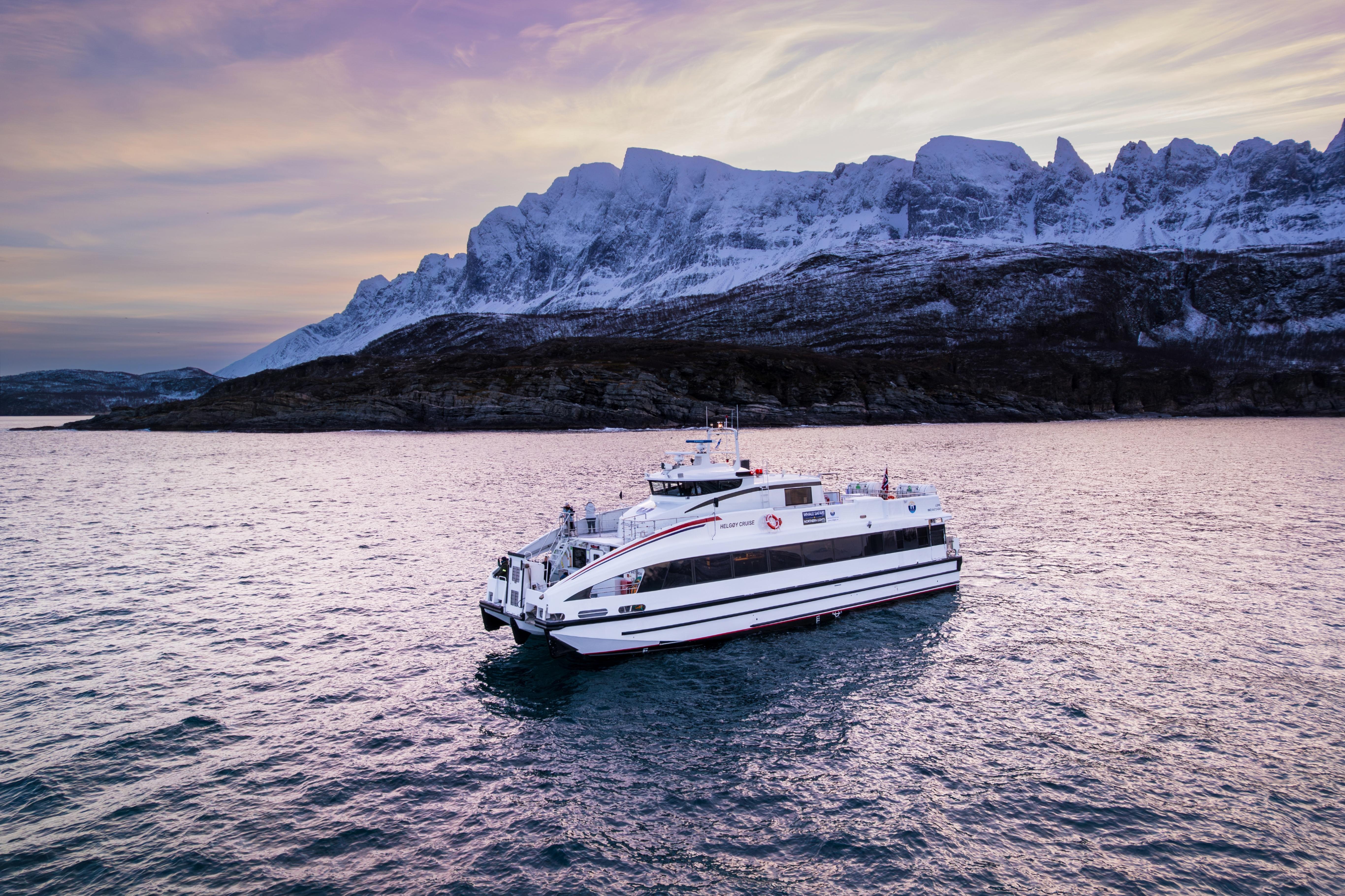
Tromsø Harbor serves as the primary departure point. Hybrid-electric catamarans carry 80 to 120 passengers and operate with reduced engine noise to avoid disturbing feeding behavior. High-speed catamarans reach the hunting grounds in under 90 minutes, while slower vessels take two hours but offer heated observation decks and onboard marine biologists. RIB boats, limited to 12 passengers, depart from Skjervøy itself and track pods in real time using radio communication with research teams. The Skjervøy expeditions operate closest to the action but require layered clothing and waterproof gear; open-hull seating exposes passengers to wind chill that routinely drops to minus 10 Celsius.

Norway whale watching tour operations report sighting success rates above 95 percent during peak season, though no operator guarantees encounters. Orcas hunt in matriarchal pods of five to 15 individuals, using carousel feeding to herd herring into tight balls before stunning them with tail slaps. Humpbacks lunge-feed independently, surfacing with mouths agape and baleen plates visible. Both species breach, though humpbacks do so more frequently. Photographers favor morning departures when low winter sun illuminates blow spray and dorsal fins against the dark water. The Arctic landscape provides context: snow-covered peaks rise directly from the fjords, and the season overlaps with polar night, when twilight lasts only three hours per day.


Orcas hunt in matriarchal pods of five to 15 individuals, using carousel feeding to herd herring into tight balls before stunning them with tail slaps.

Dress code

Wear thermal layers, windproof jackets, and waterproof boots as temperatures drop significantly at sea during a norway whale watching tour. Even in autumn, sea spray and Arctic winds require high-quality cold-weather gear.

Bags & security

Keep bags compact and waterproof to protect electronics from salt spray during your norway whale watching tour. Secure your belongings inside the cabin during vessel transit to prevent items from sliding.

Photography

Bring a dry bag for camera equipment to protect it from moisture. A norway whale watching tour often presents rapid action, so use a fast shutter speed to capture marine life.

Families & strollers

Children are welcome on board, though a norway whale watching tour requires children to wear life jackets at all times. Ensure you monitor younger guests near the ship railings.

Accessibility

Modern vessels in the Tromsø harbor area often have heated indoor salons with accessible seating. Check specific operator specifications for your norway whale watching tour regarding wheelchair access to the deck.

Food & drink

Many operators provide coffee, tea, and local snacks on board as part of the norway whale watching tour package. You are encouraged to bring a reusable water bottle to stay hydrated during the journey.

Not allowed

× Drones × Alcohol × Large hard-shell suitcases × Tripods × Laser pointers × Smoking × Unsecured items × Excessive noise makers

What to bring

✓ Warm hat ✓ Gloves ✓ Camera ✓ Binoculars ✓ Sunglasses ✓ Sea-sickness pills ✓ Waterproof layers

Opening hours

Mon 00:00–23:59
Tue 00:00–23:59
Wed 00:00–23:59
Thu 00:00–23:59
Fri 00:00–23:59
Sat 00:00–23:59
Sun 00:00–23:59

How to get there

Closures & exceptions

  • ·Dec 24 — Christmas Eve
  • ·Dec 25 — Christmas Day
  • ·Jan 1 — New Year's Day

At a glance

Opening hours

00:00–23:59

Address

Tromsø Harbor Area, Tromsø, Norway

Accessibility

Varies by vessel; contact your provider for lift availability.

Arrival

07:00–09:00

Entrance fee

0 NOK

Getting there

Public transport · 15m · Low cost

Tromsø city buses frequently serve the harbor area.

Walk · 10m · Free

The harbor area is centrally located and accessible from most downtown hotels.

Cancellation policy

Most operators offer full refunds for cancellations made at least 24 to 48 hours prior to departure. The entrance fee for a norway whale watching tour is 0 NOK, but tour costs are non-refundable if you miss the boat.

Plan your time

Optimizing Your Norway Whale Watching Tour Schedule

Recommended time

4-6 hours

Planning your norway whale watching tour requires careful attention to maritime daylight hours, as vessels depart from the Tromsø Harbor Area to reach feeding grounds. You should budget for half a day to account for boarding procedures and the open-water journey to locate marine mammals. Booking norway whale watching tour tours in advance is advised to secure your spot, while norway whale watching tour tickets for peak morning departures fill quickly. We recommend finalizing your norway whale watching tour tour logistics early to ensure ample time for transit and wildlife observation.

Crowd levels through the day

07:00–09:00 Peak
09:00–12:00 Moderate
12:00–15:00 Moderate
15:00–18:00 Light
Plan ahead

Best time to visit Norway Whale Watching

Weather · crowds · average price — dots go green to amber to red as each metric rises.

Autumn

September offers crisp air and calm waters, perfect for early season whale spotting tours.

Winter

November to January is peak season when humpback whales and orcas follow herring into the fjords.

Spring

March marks the tail end of the season with longer daylight hours for coastal exploration.

Insider tips

Helpful tips for visiting Norway Whale Watching

Book early

Reserve your norway whale watching tour tickets weeks in advance as spots fill up quickly during peak migration months.

Stay warm

Do not underestimate the wind chill; even with a heated cabin, spend time outside to spot wildlife.

Check updates

Monitor your email for status alerts on your norway whale watching tour, as weather can force cancellations.

Where to meet

Norway Whale Watching meeting points

Tromsø Harbor

Tromsø Harbor Area, Tromsø, Norway

Look for the branded signage of your specific operator.

Get directions
The story

The history of Norway Whale Watching

Commercial whale watching in Norwegian waters emerged in the late 1980s, decades after the country officially ended its large-scale whaling operations in 1968. Tromsø, already established as a gateway for Arctic expeditions, became the natural hub for this transformation. In 1988, the first organized norway whale watching tour departed from Tromsø harbor, targeting humpback and orca populations that followed the herring migration into the fjords each winter. Early operators were often former fishermen who repurposed their vessels, offering rudimentary excursions with minimal interpretation. The industry remained small and local through the 1990s. The turning point arrived in 1998 when marine biologist Tiu Similä documented predictable orca behavior in Tysfjord, revealing that pods returned annually to feed on overwintering herring. Her research attracted international attention and gave tour operators the scientific foundation to market reliable sightings. By 2003, operators began coordinating with the Norwegian Orca Survey, integrating research protocols into commercial trips. This collaboration elevated Norway's reputation and distinguished its tours from speculative ventures elsewhere. The 2010s brought rapid expansion as social media amplified demand for Arctic wildlife experiences. Tromsø's whale watching tickets grew from a niche offering to a cornerstone of the winter tourism economy, with peak season operations now running daily from November through January. Today's norway whale watching tour industry operates under strict guidelines established by the Norwegian Environment Agency in 2015, mandating minimum approach distances and limiting vessel numbers per pod. The herring stock collapse in Tysfjord between 2017 and 2019 forced operators to adapt, extending search areas and emphasizing the unpredictability inherent in wildlife observation. Most contemporary tours combine orca and humpback sightings with education on marine conservation, reflecting the sector's evolution from opportunistic extraction to managed eco-tourism.

1968

Norway ends large-scale commercial whaling, shifting focus to fishing and emerging tourism.

1988

First organized whale watching excursions depart from Tromsø, targeting seasonal humpback and orca arrivals.

1998

Marine biologist Tiu Similä publishes research on predictable orca feeding patterns in Tysfjord, transforming tour reliability.

2003

Operators partner with the Norwegian Orca Survey, integrating scientific observation into commercial trips.

2015

Norwegian Environment Agency establishes mandatory approach distances and vessel limits to protect cetacean populations.

2017–2019

Herring stock collapse in Tysfjord forces industry to expand search areas and adjust visitor expectations.

Photo spots

Best photo spots at Norway Whale Watching

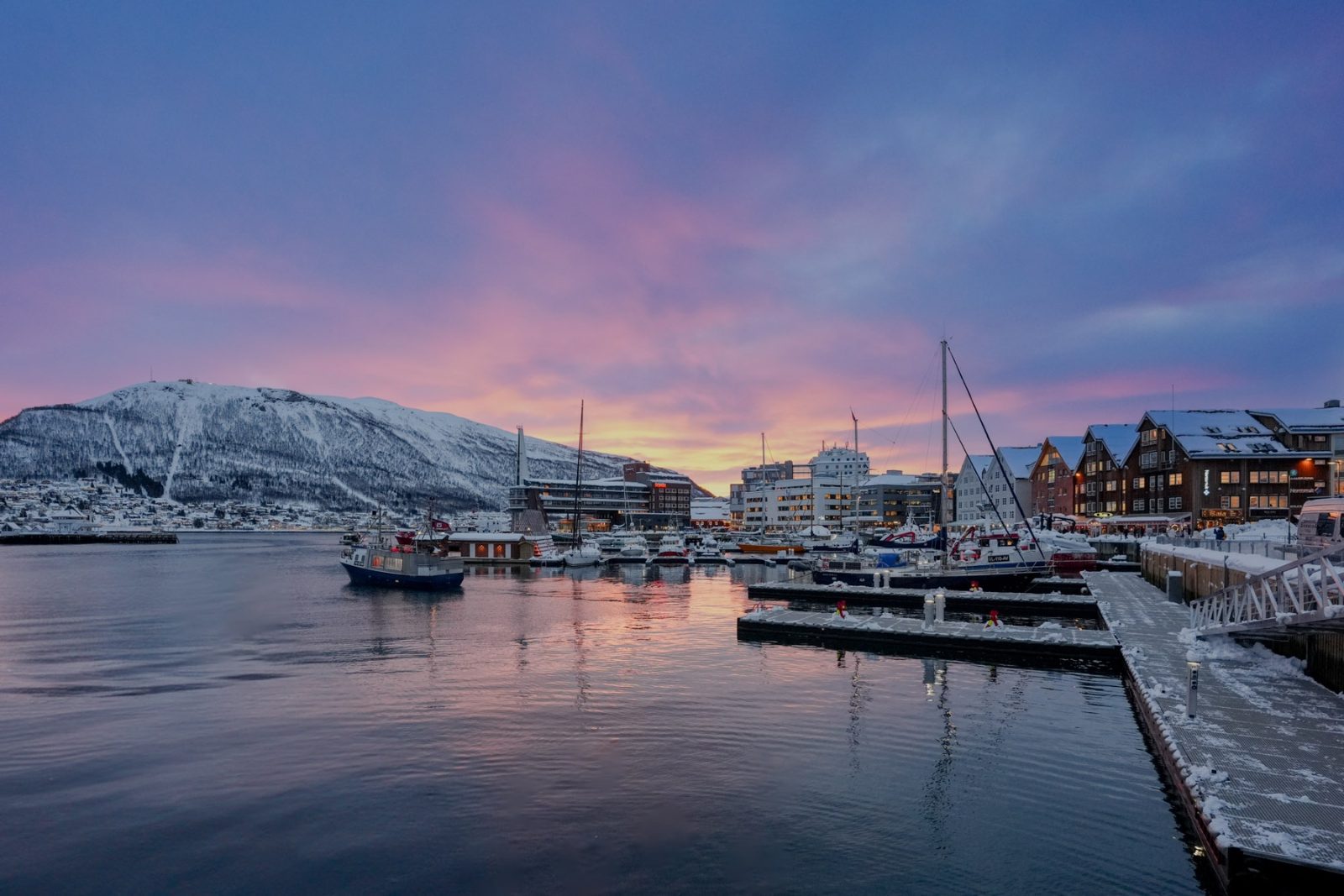
Tromsø Harbor Pier

Tromsø Harbor Pier

Best light · 07:00–09:00

Stand near the edge of the docks to capture the colorful fishing vessels and the jagged mountains reflecting in the arctic water before embarking on your norway whale watching tour.

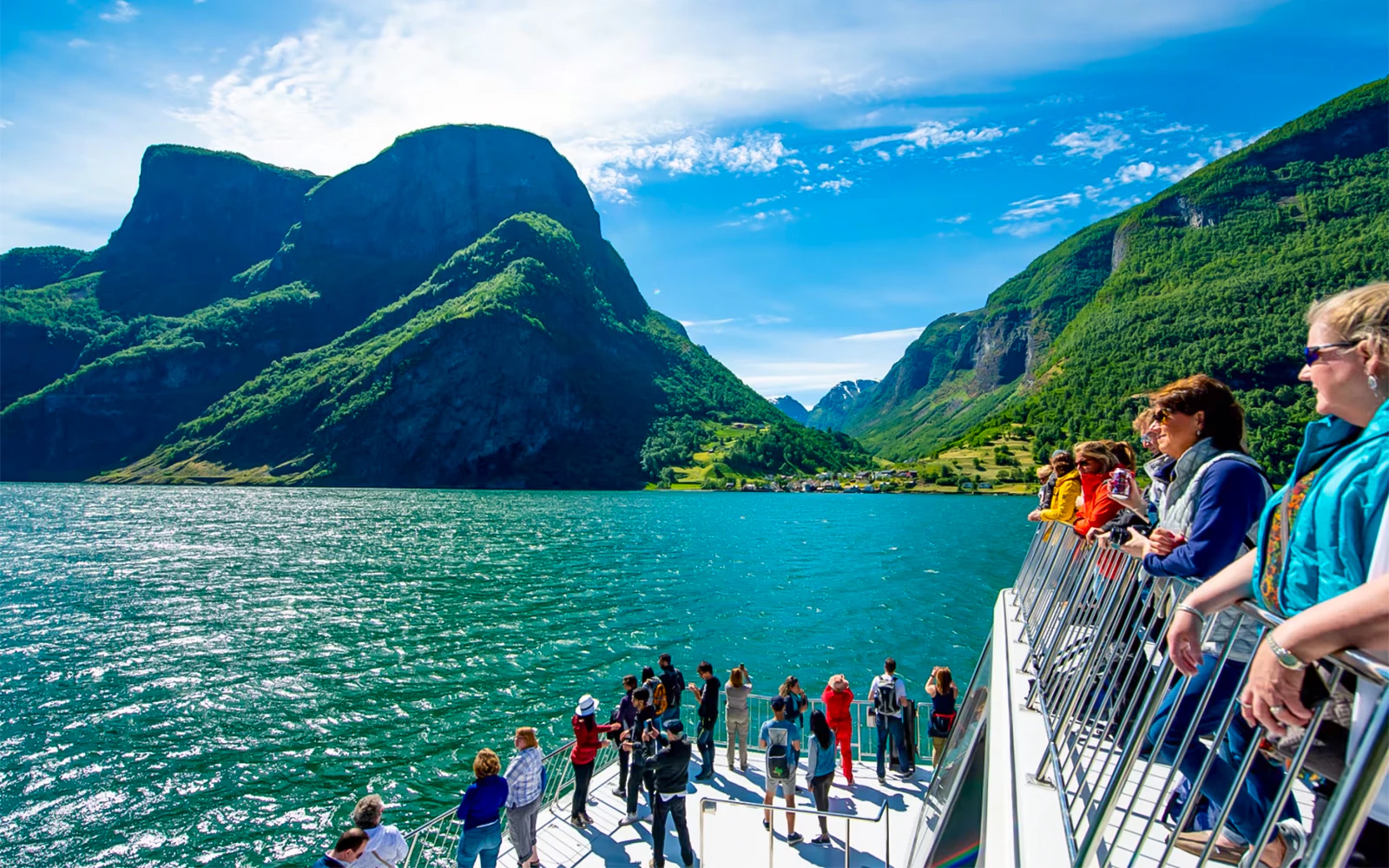
Fjord Deck Vantage

Fjord Deck Vantage

Best light · Mid-morning

Position yourself on the aft deck of the boat to photograph the dramatic landscape of the fjords and potential marine wildlife sightings during your norway whale watching tour tours.

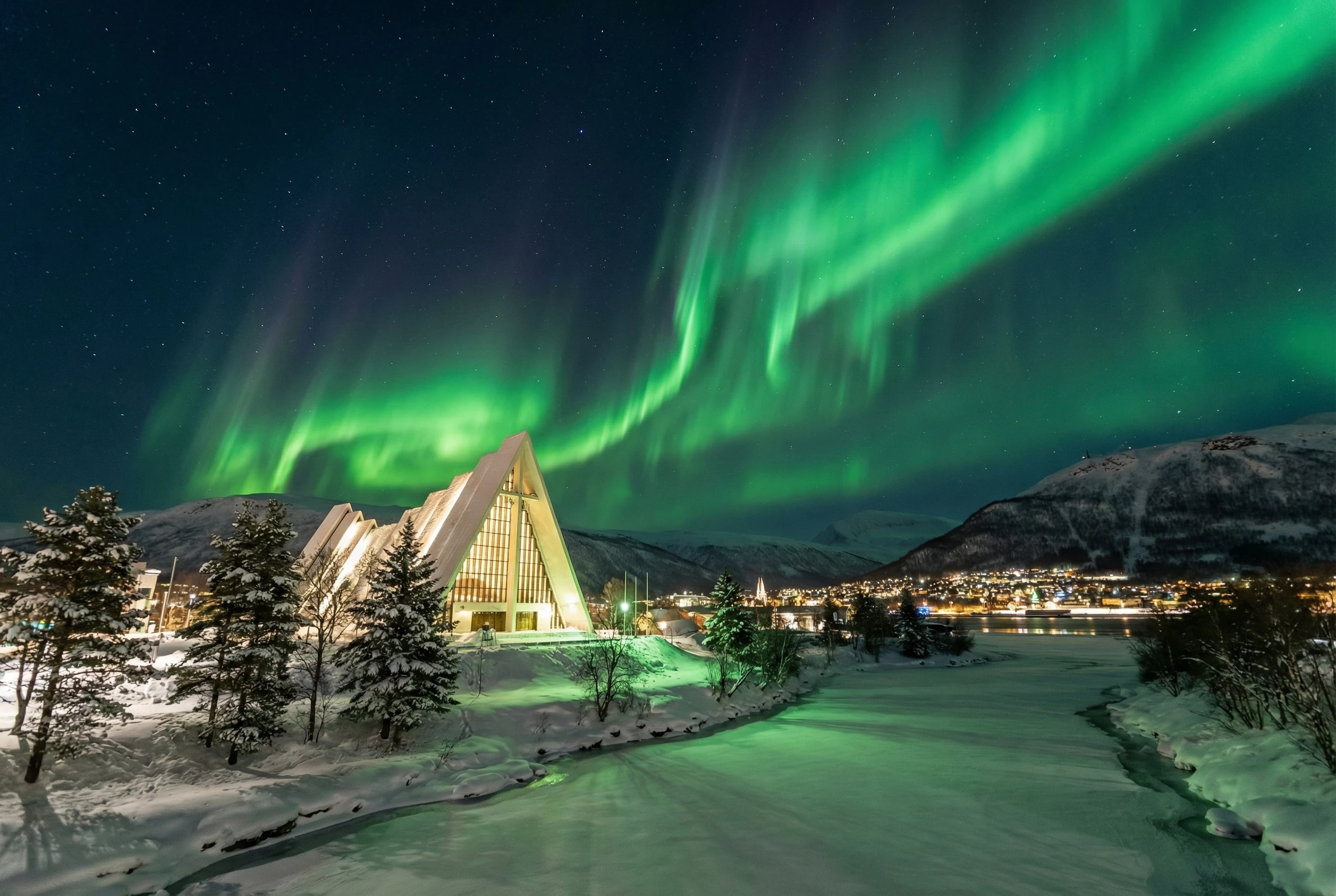
Arctic Cathedral Backdrop

Arctic Cathedral Backdrop

Best light · Early morning

From the water, aim your camera toward the shore to capture the iconic triangular architecture of the Ishavskatedralen against the snowy mountains while securing norway whale watching tour tickets.

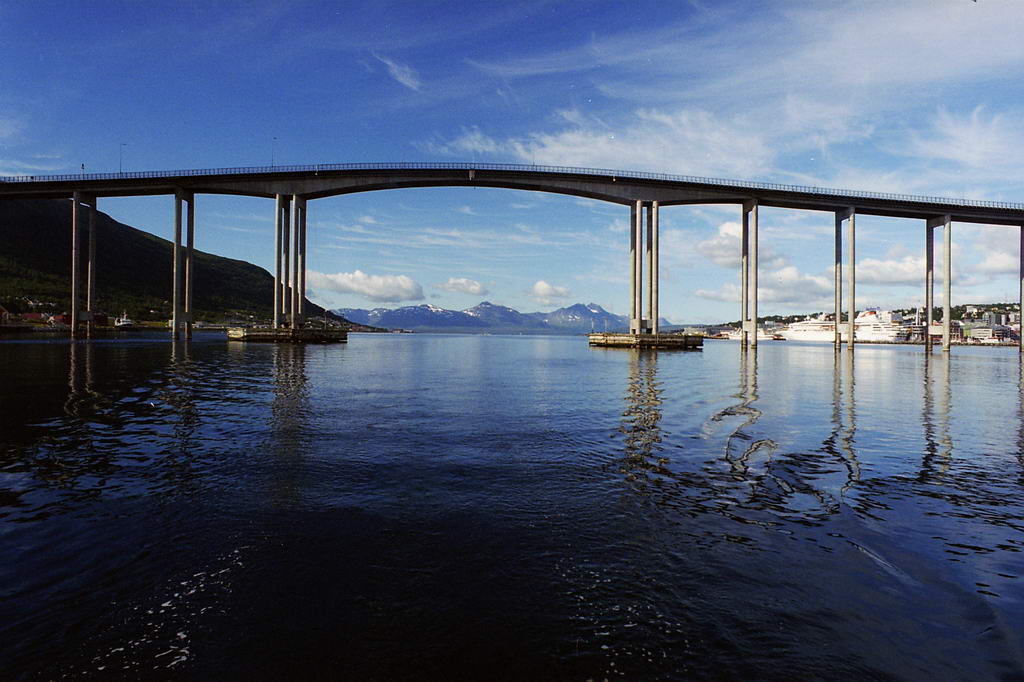
Tromsø Bridge Perspective

Tromsø Bridge Perspective

Best light · Morning

Capture the underside and the sweeping lines of the bridge from the water level as the vessel navigates out for a norway whale watching tour tour.

Gallery

Moments from Norway Whale Watching

With kids

Family Logistics for a Norway Whale Watching Tour

Planning a norway whale watching tour requires careful preparation to ensure children remain comfortable during their time on the arctic water. Selecting the right vessel is key to a positive experience for your family.

Vessel Choice

Choose larger catamarans over RIB boats when traveling with young children, as they offer indoor cabins and more stable movement. These vessels provide a better environment for families to observe marine life in comfort

Age Recommendations

Most operators require children to be at least 4 to 6 years old, though private charters may allow younger participants if weather conditions are favorable. Confirm specific age limits with your provider before purchasing norway whale watching tour tickets

Warmth Strategy

Layering is essential, as temperatures at sea drop significantly even when the sun is visible. Ensure every child has windproof and waterproof outer layers to stay dry during their norway whale watching tour tour

Onboard Facilities

Catamarans typically feature onboard toilets and indoor seating, which are crucial for long expeditions with little ones. These norway whale watching tour tours provide a retreat from the cold while maintaining views of the fjords

Snack Planning

Bring thermos flasks with warm drinks and compact, high-energy snacks to keep children fueled throughout the voyage. Eating on a moving boat can be tricky, so opt for non-messy options.

Food & drink

Where to eat at Norway Whale Watching

Visitors planning a norway whale watching tour will find several convenient dining options directly along the Tromsø Harbor Area. While there are no dining facilities on the vessels themselves, the nearby streets offer excellent spots to grab a meal before or after your arctic marine safari.

Fiskekompaniet

€€€€

Seafood Bistro

Located right on the pier, this high-end venue specializes in fresh local catch perfect for those finishing their norway whale watching tour tours. Reservations are recommended during peak winter months.;Bardus Bistro

FAQ

Norway Whale Watching — frequently asked questions

Everything you need to know for your journey

Around the corner

More to see near Norway Whale Watching

Arctic Cathedral

10m

landmark

An iconic architectural landmark famous for its striking glass facade and triangular design.

Polaria

5m

museum

A polar aquarium showcasing Arctic marine life and educational exhibitions.

Tromsø Bridge

12m

landmark

A prominent bridge offering expansive views of the city and surrounding mountains.

Where to stay

Where to stay near Norway Whale Watching

Clarion Hotel The Edge

5m

luxury

Modern waterfront hotel offering proximity to harbor departures.

Comfort Hotel Xpress

8m

mid-range

Convenient urban accommodation located in the city center.

Radisson Blu Hotel

2m

luxury

High-rise hotel with easy access to all harbor tour pick-up points.

Ready for Adventure?

Join thousands of happy travelers who have discovered this incredible experience

Book Your Experience Now