English| EUR
Suggested for you
More currencies
Book Now
Open today · 08:00–18:00

Norway Whale Watching Packages

Norway Whale Watching Packages — Arctic Expeditions from Tromsø

Humpbacks breach beneath midnight sun, orcas hunt the fjords in winter silence.

50K+ travelers chose this
Free Cancellation
Right now: Moderate — autumn shoulder season Check local weather reports before departure as tours are weather-dependent.
Free Cancellation
Free cancellation Instant confirmation Mobile voucher Verified partner Skip-the-line
08:00–18:00
Opening Hours
Daily across all week
0 NOK
Entrance Fee
Costs apply per tour package
Tromsø
Location
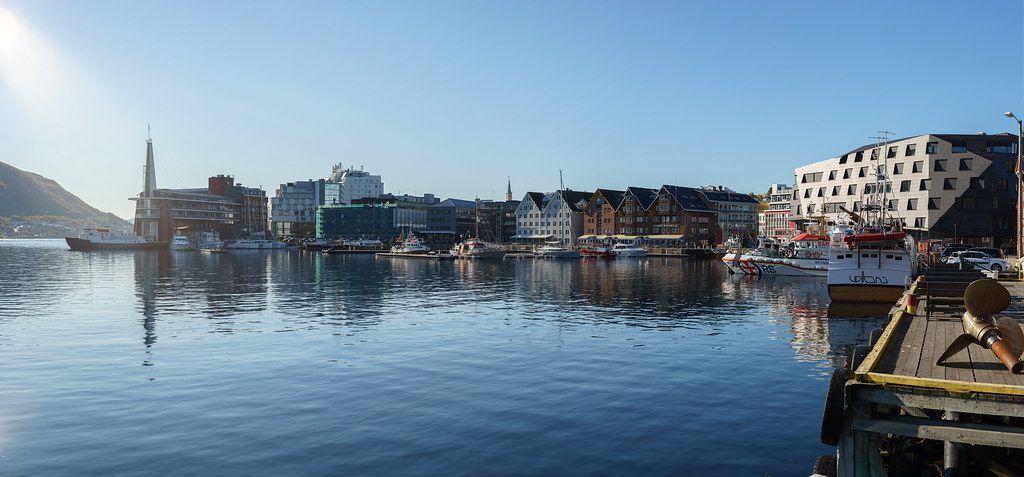
Tromsø Harbour, Norway
08:00–10:00
Best Arrival
Morning offers optimal daylight
+4777690000
Contact Number
For booking inquiries
Choose your ticket

Norway Whale Watching Packages tickets at a glance

Compare fares, pick the fit — all bookings are mobile-voucher and eligible for free cancellation where shown.

Arctic Whale Safari by High-Speed Catamaran 8 hr
Guided Experience

Arctic Whale Safari by High-Speed Catamaran

4.6 (3772)
$225
  • Expert local guide
  • Small group
  • Skip-the-line access
  • Free cancellation
Book this ticket
Skjervøy RIB Whale Watching Expedition from Tromsø 12 hr
Guided Experience

Skjervøy RIB Whale Watching Expedition from Tromsø

4.8 (1281)
$344
  • Expert local guide
  • Small group
  • Skip-the-line access
  • Free cancellation
Book this ticket
Compare options

Selecting Your Norway Whale Watching Packages: Expedition Tiers

Choosing the right norway whale watching packages depends on your preference for marine wildlife observation speed versus proximity to Tromsø Harbour. These Tromsø whale watching tours provide distinct access levels to the surrounding icy fjords.

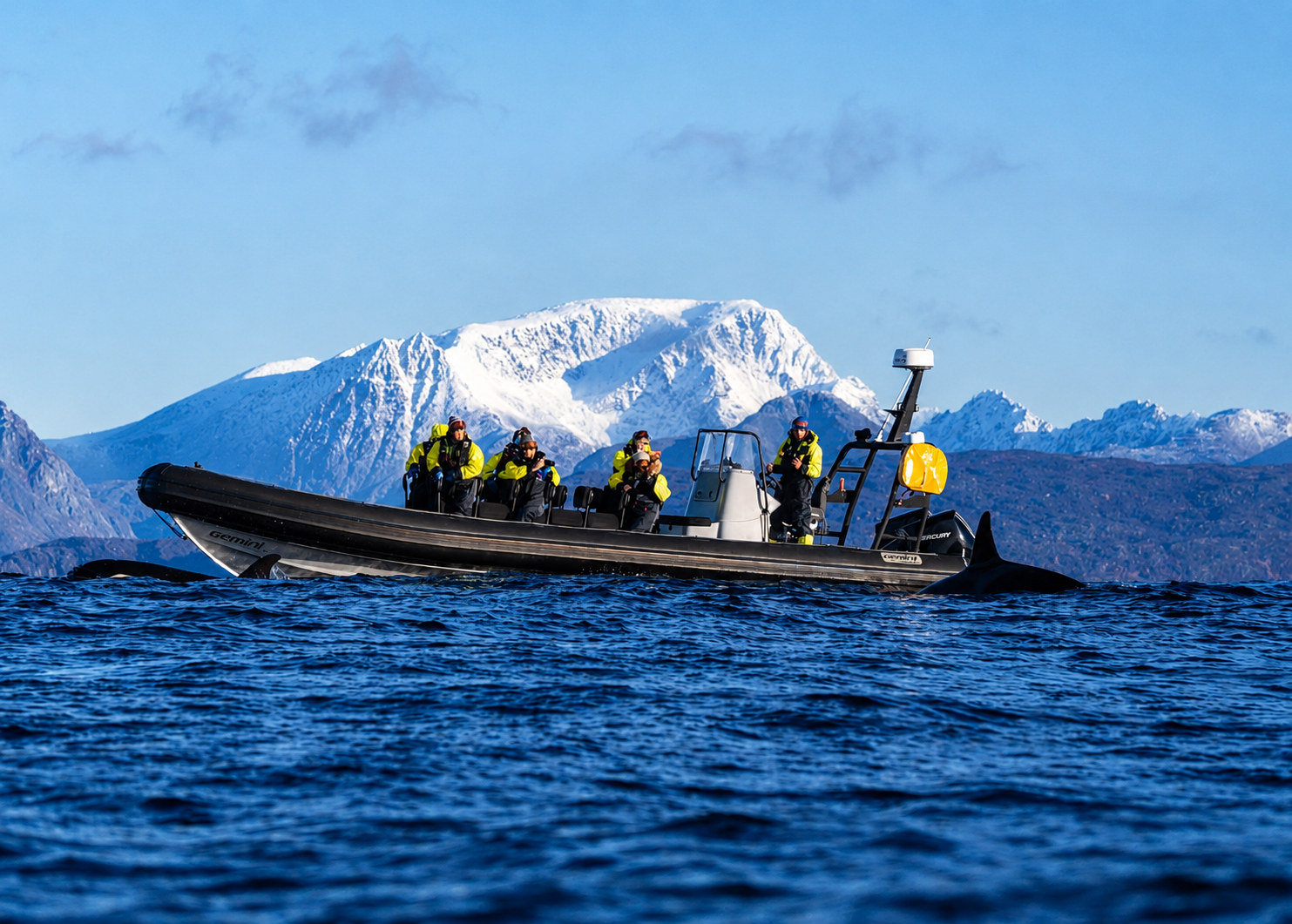
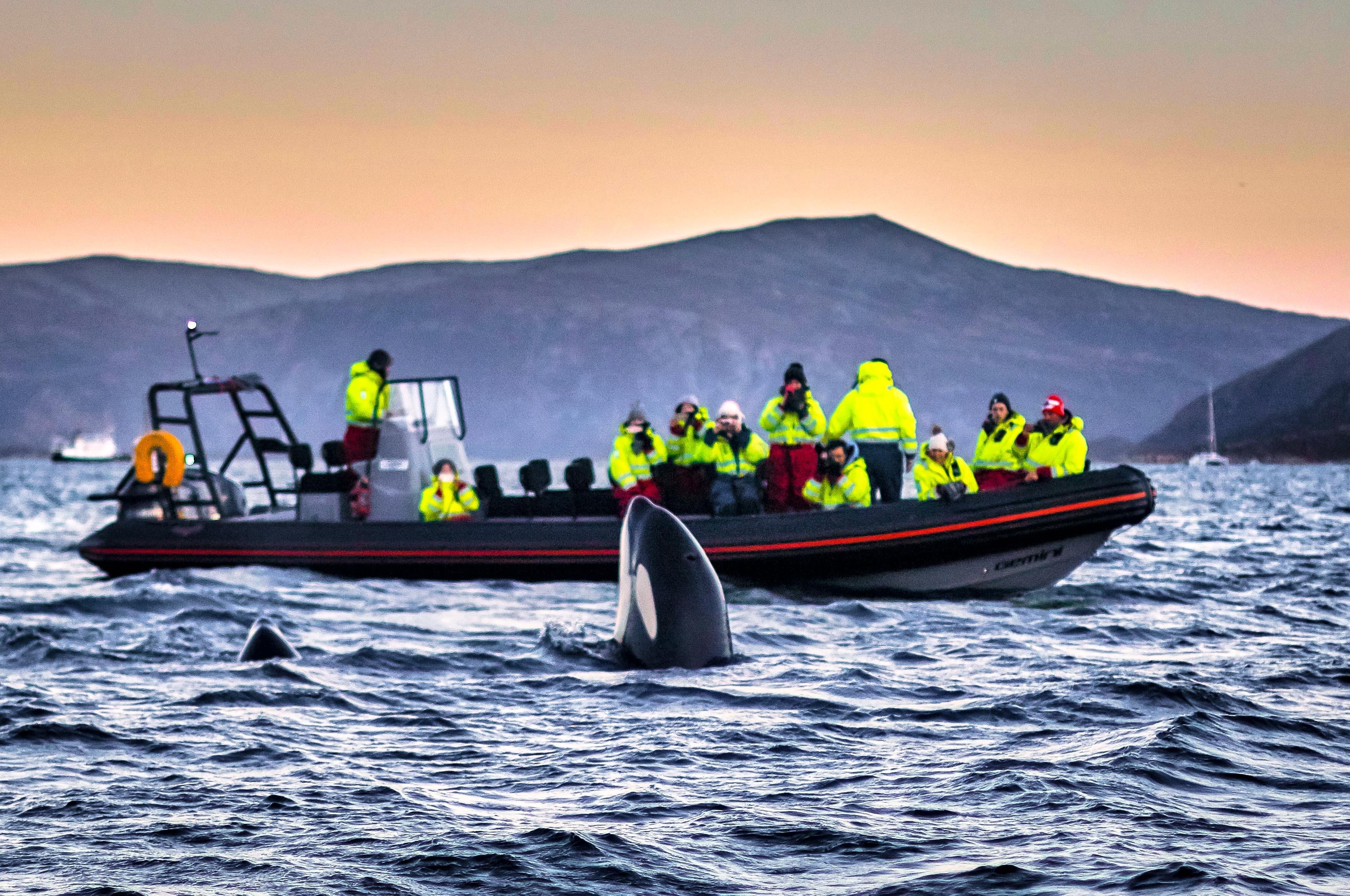
Fjord Express Rib Boat Top pick
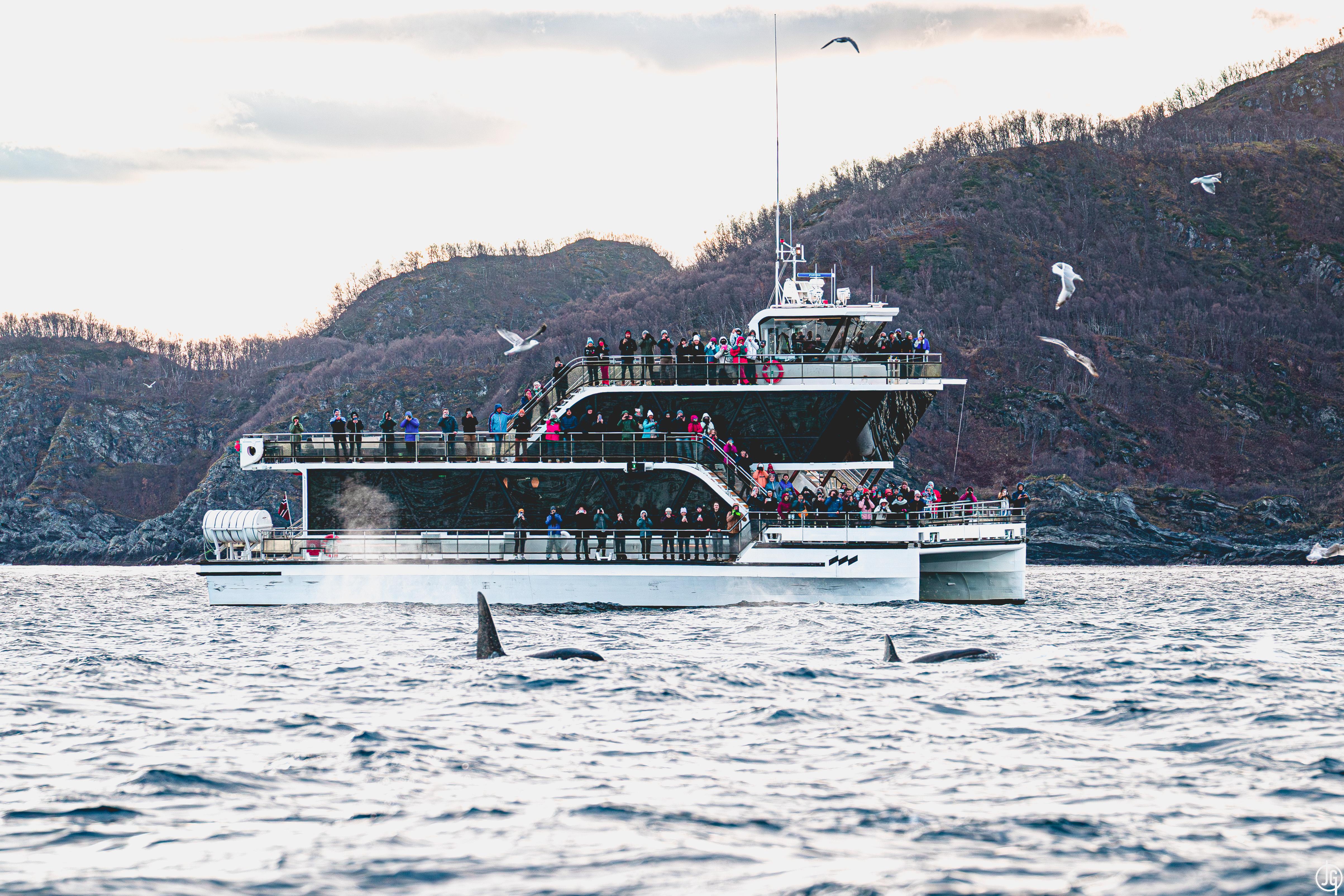
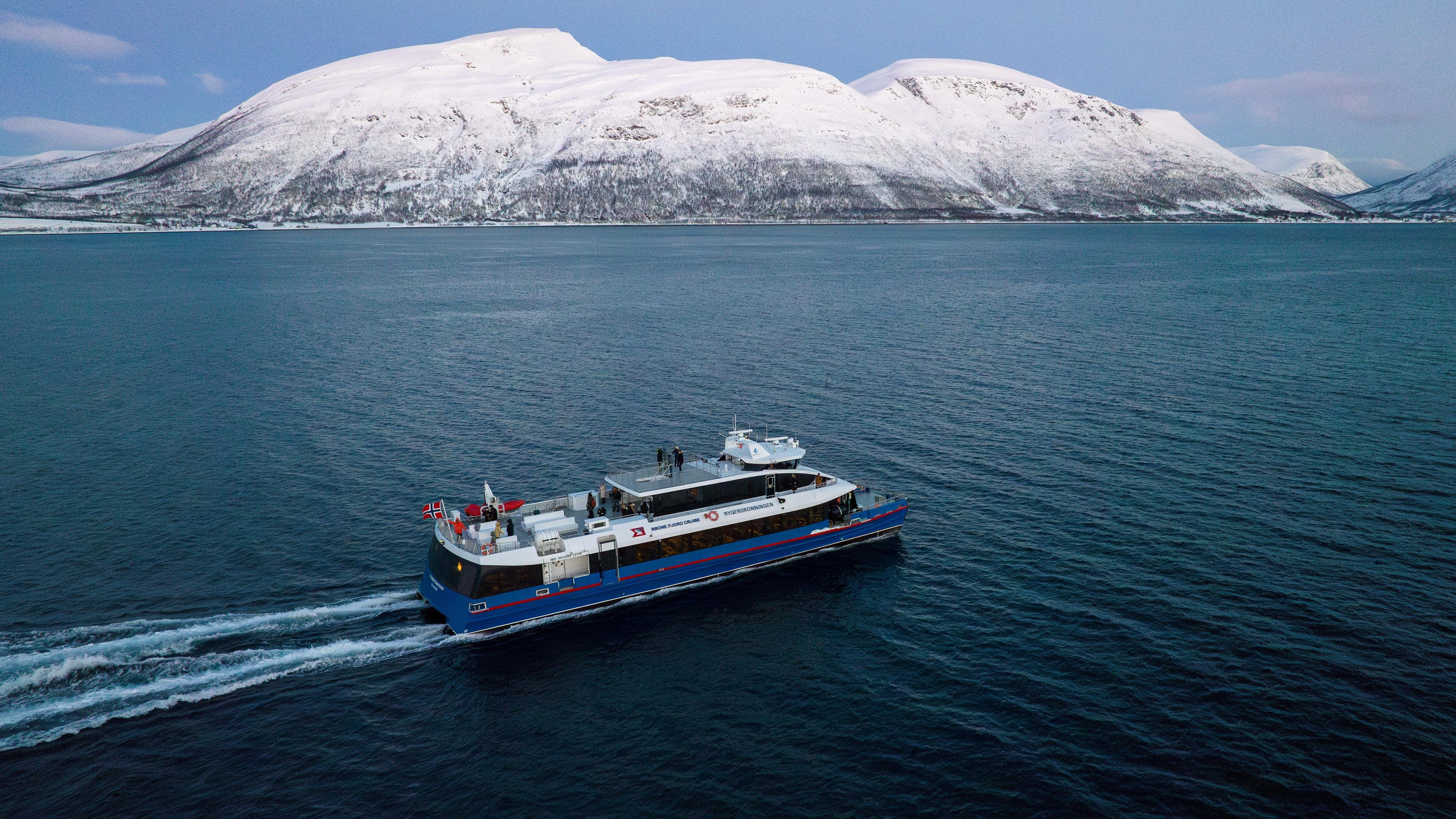
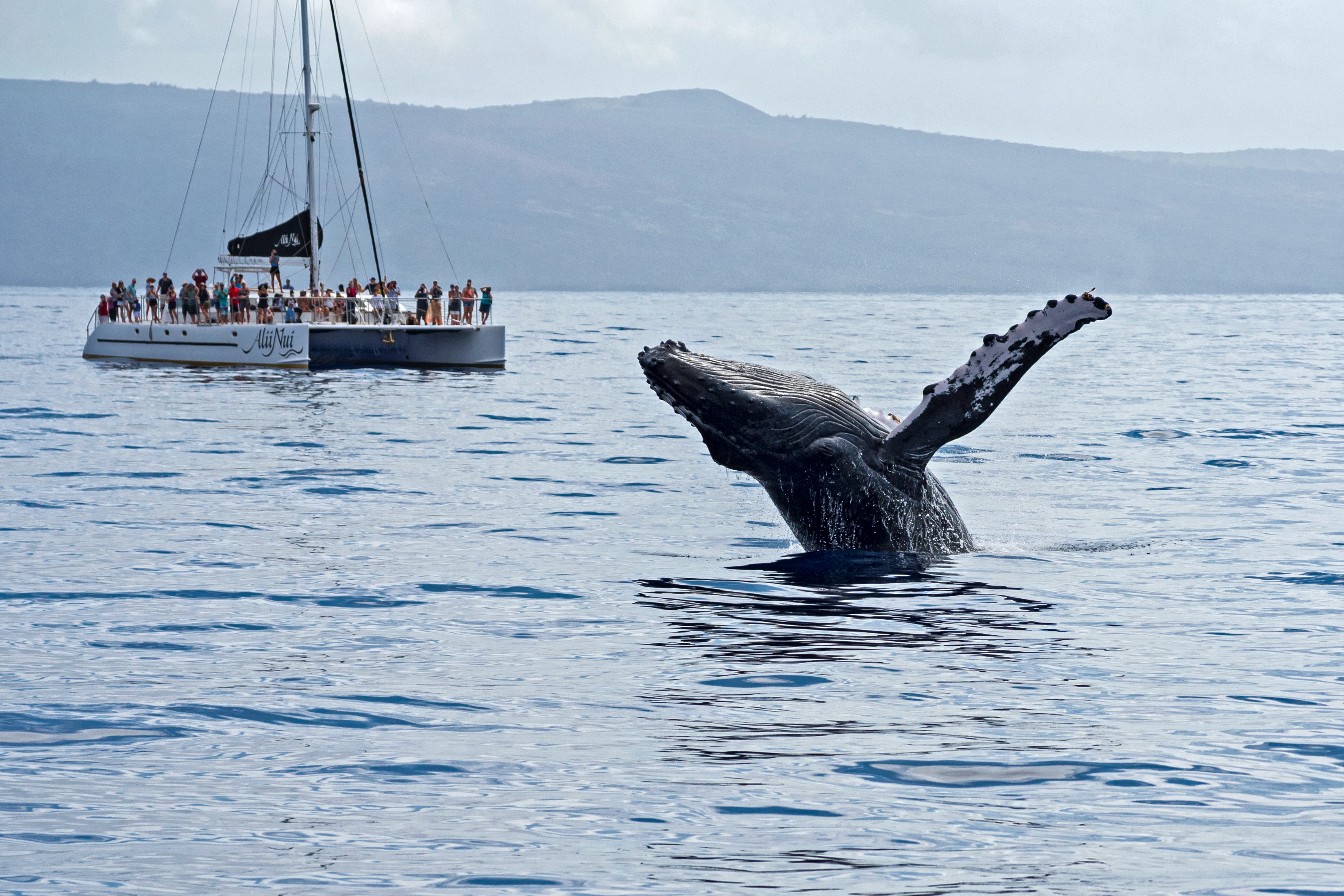
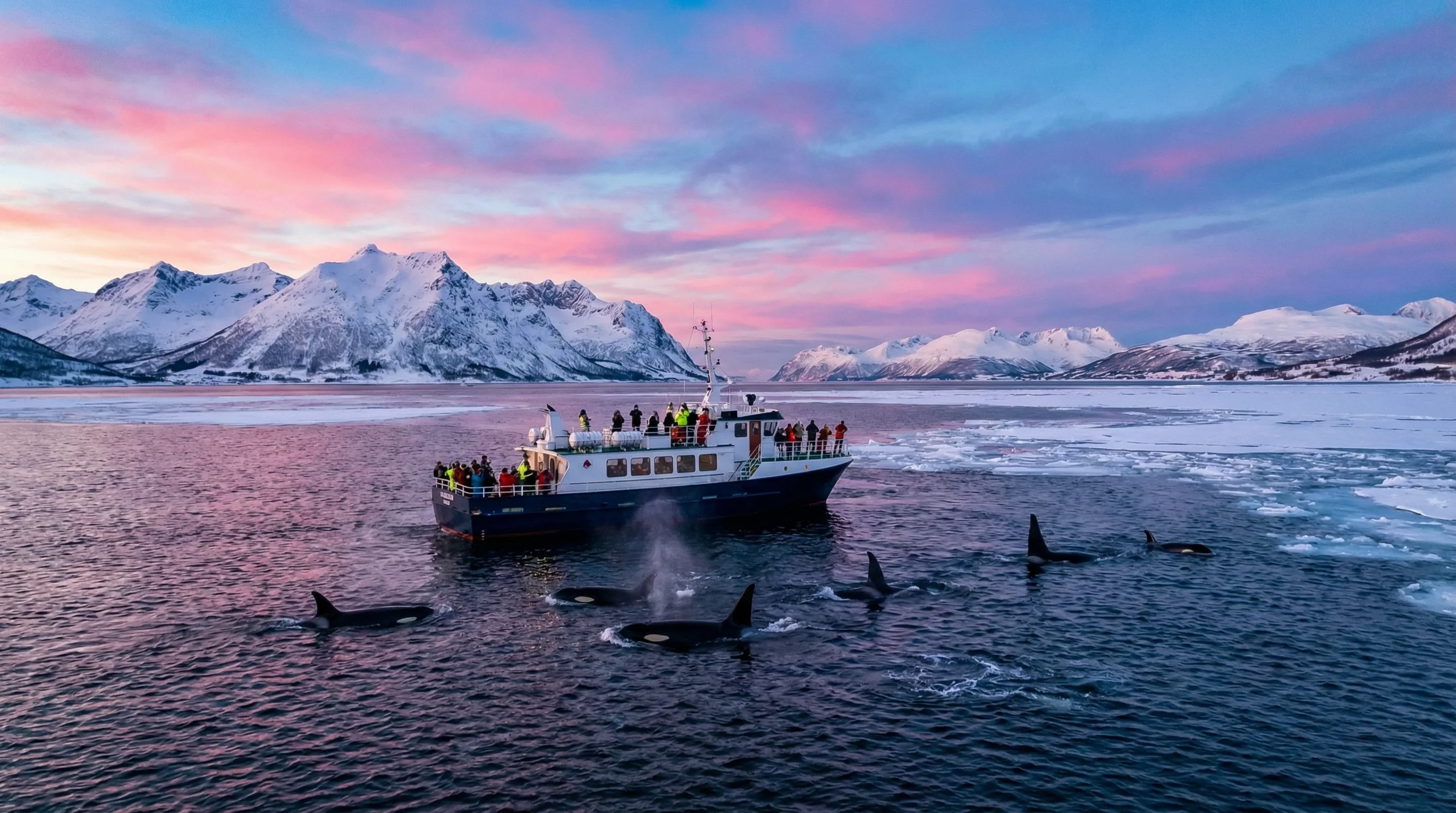
Expedition Vessel Large Catamaran
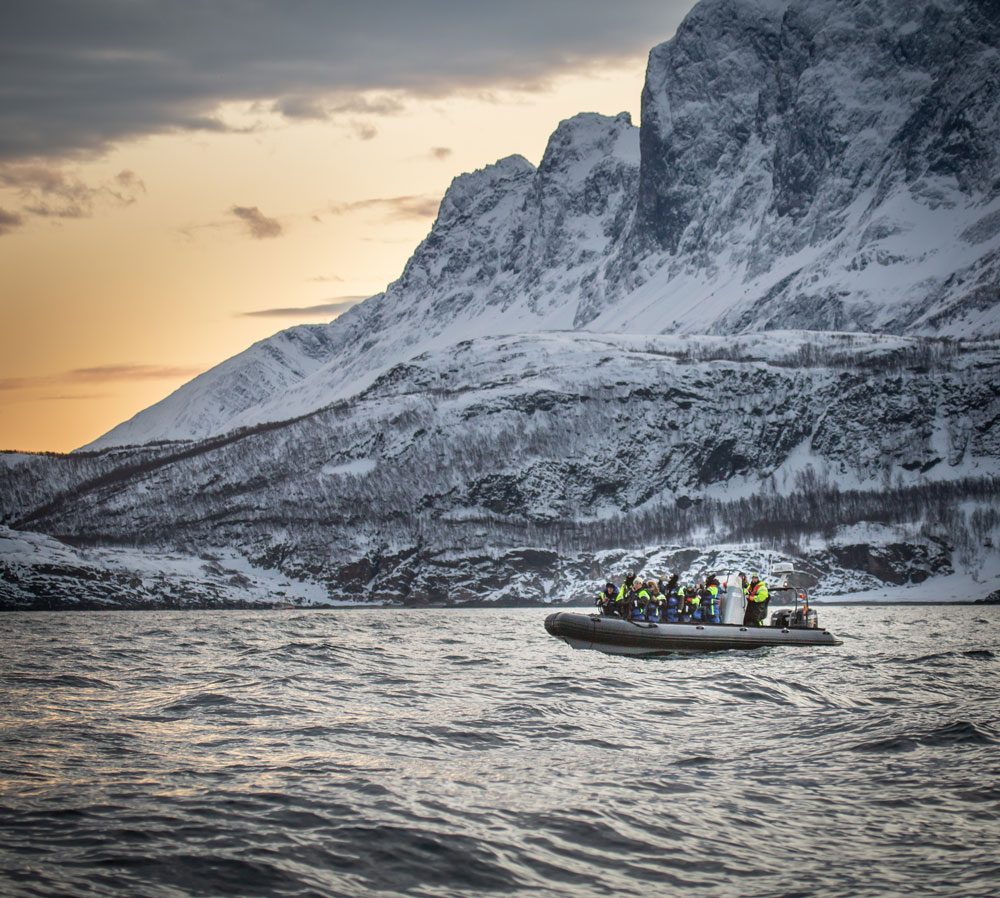
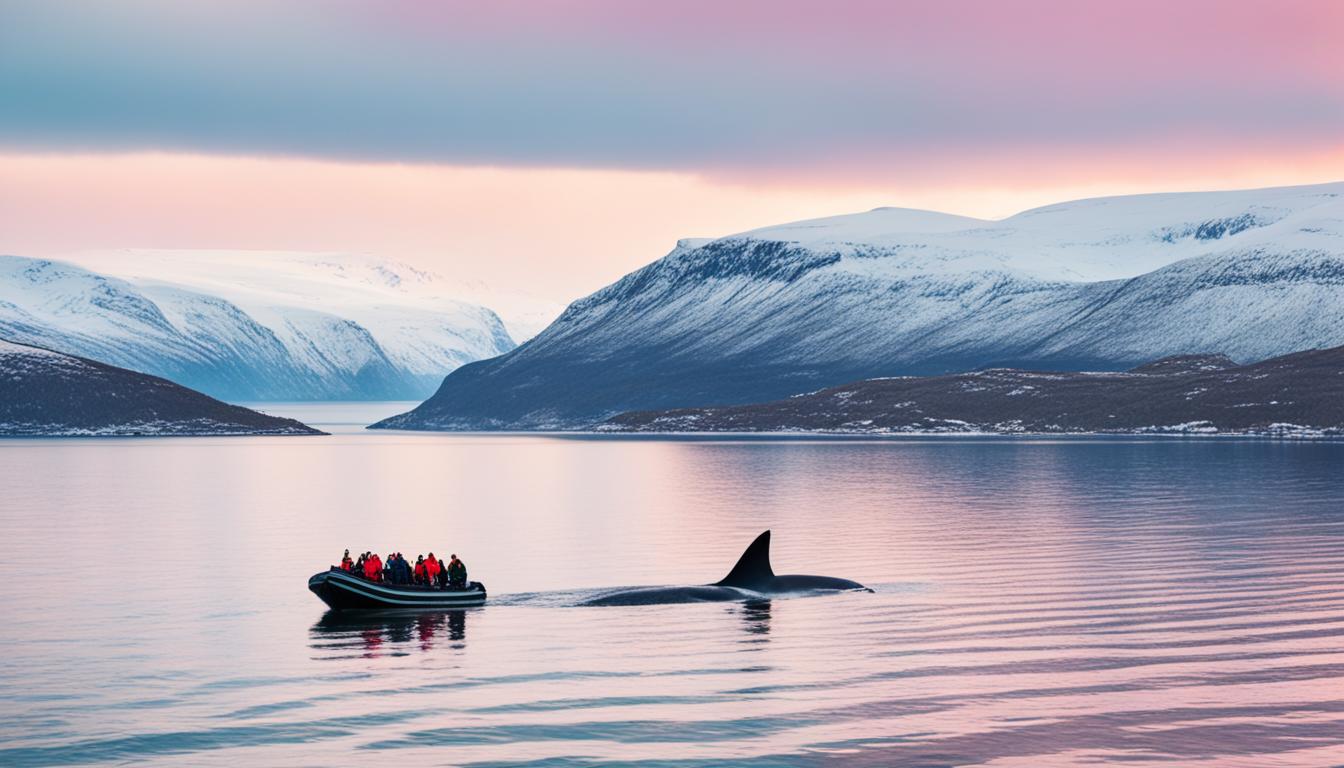
Vessel Type Rigid Inflatable Boat
Transit Time to Grounds 30-45 minutes
Experience Focus High-speed agile maneuvering
Onboard Amenities Basic safety gear only
Best for Thrill-seekers and photographers

Verdict: For the most comfortable experience when booking norway whale watching packages tickets, we recommend the Expedition Vessel for stable viewing, while the Fjord Express is ideal for those prioritizing speed.

Are Norway Whale Watching Packages Worth the Investment?

Worth it for wildlife enthusiasts and winter visitors

Norway whale watching packages deliver genuine Arctic wildlife encounters during the November-to-January migration window when humpback whales and orcas follow herring schools into Tromsø's fjords. Professional marine biologists aboard hybrid-electric catamarans and high-speed vessels provide ecological context that transforms sightings from photo opportunities into educational experiences—explaining feeding behaviors, pod dynamics, and conservation challenges facing cetacean populations. The Skjervøy fjord system offers 85–95% sighting reliability during peak season, though operators typically don't guarantee encounters due to the unpredictable nature of wild marine mammals. RIB expeditions trade comfort for proximity, positioning smaller groups closer to surfacing whales, while larger catamaran tours prioritize heated cabins and stability for passengers prone to seasickness. The investment pays off for travelers who value expert interpretation over independent observation, though budget-conscious visitors should note that no refund policies apply when whales remain elusive—a realistic outcome outside December and early January when migration peaks.

What makes it worth it

  • Marine biologist commentary enhances understanding of whale behavior
  • Hybrid-electric vessels minimize environmental impact on feeding grounds
  • High winter sighting rates during peak migration season
  • Multiple vessel types accommodate different comfort preferences
  • Small-group RIB options enable closer wildlife proximity

Keep in mind

  • No-sighting scenarios carry no refund guarantees
  • Winter conditions require substantial cold-weather preparation
  • Tours depart only during limited daylight hours
  • Seasickness affects passengers on smaller vessels

Bottom line: Norway whale watching packages tours justify their cost when booked during migration peaks with realistic expectations about Arctic wildlife unpredictability.

Head to head

Norway Whale Watching Packages: Large Cruiser vs. RIB Expedition

Large cruisers offer superior stability and indoor facilities for families, while RIB expeditions are preferred by thrill-seekers wanting high-speed agility near the marine wildlife. Choosing between these norway whale watching packages depends entirely on whether you prioritize onboard amenities or intimate contact with the ocean environment.

Top pick
Large Cruiser
RIB Expedition
Speed High-speed transit
Passenger Capacity Small groups up to 12
Comfort/Warmth Exposed, requires thermal suit
Proximity to Water Water-level viewing
Agility Rapid maneuverability
Viewpoint Height Low to water level

Verdict: If you are looking for norway whale watching packages tickets that prioritize comfort during chilly weather, the cruiser is the optimal choice, whereas those seeking a pulse-pounding norway whale watching packages tour should select the RIB expedition.

Featured Experiences

Popular Norway Whale Watching Packages tours & activities

Hand-picked experiences loved by thousands of travelers

Recommended Experience

Powered by GetYourGuide

Another traveler favorite

Powered by GetYourGuide
Arctic Whale Watching Expedition to Skjervøy 12 hours Free Cancellation

Arctic Whale Watching Expedition to Skjervøy

Witness orcas and humpback whales feeding in Arctic fjords during a full-day adventure from Tromsø

4.7 (1211)
FromFrom €314.7
See details
Arctic Whale & Orca Safari from Tromsø 8 hours Free Cancellation

Arctic Whale & Orca Safari from Tromsø

Sail through fjords to spot humpback whales and orcas with a local family-run operator in Arctic waters

4.6 (1719)
FromFrom €231.39
See details
Arctic Whale Watching Expedition by High-Speed Catamaran 7.5 hours Free Cancellation

Arctic Whale Watching Expedition by High-Speed Catamaran

Encounter majestic whales in Norwegian fjords aboard a spacious, eco-certified vessel with heated viewing areas

4.7 (662)
FromFrom €184.19
See details
Bleik Canyon Whale Watching RIB Adventure 3.5 hours Free Cancellation

Bleik Canyon Whale Watching RIB Adventure

Hunt for sperm whales and spot puffins aboard a thrilling speedboat journey through Norway's wildlife-rich waters.

4.6 (452)
FromFrom €175.86
See details
Altafjord Whale Safari in Heated Comfort Boat 4 hours Free Cancellation

Altafjord Whale Safari in Heated Comfort Boat

Search for orcas and humpbacks in Norway's Arctic fjord aboard a cozy vessel with indoor heating.

5 (80)
FromFrom €231.39
See details
Arctic Whale Safari by RIB Speedboat 4 to 12 hours Free Cancellation

Arctic Whale Safari by RIB Speedboat

Chase orcas and humpbacks through Norway's fjords on a thrilling high-speed boat adventure

5 (113)
FromFrom €226.77
See details
Skjervøy Whale Watching Adventure in Heated Cabin Cruiser 4 hours Free Cancellation

Skjervøy Whale Watching Adventure in Heated Cabin Cruiser

Witness orcas, humpbacks, and fin whales in Norway's Arctic fjords aboard a comfortable heated vessel

4.8 (72)
FromFrom $284.85
See details
Tromsø Overnight Arctic Cruise: Northern Lights & Whale Encounters 1 day (24 hours) Free Cancellation

Tromsø Overnight Arctic Cruise: Northern Lights & Whale Encounters

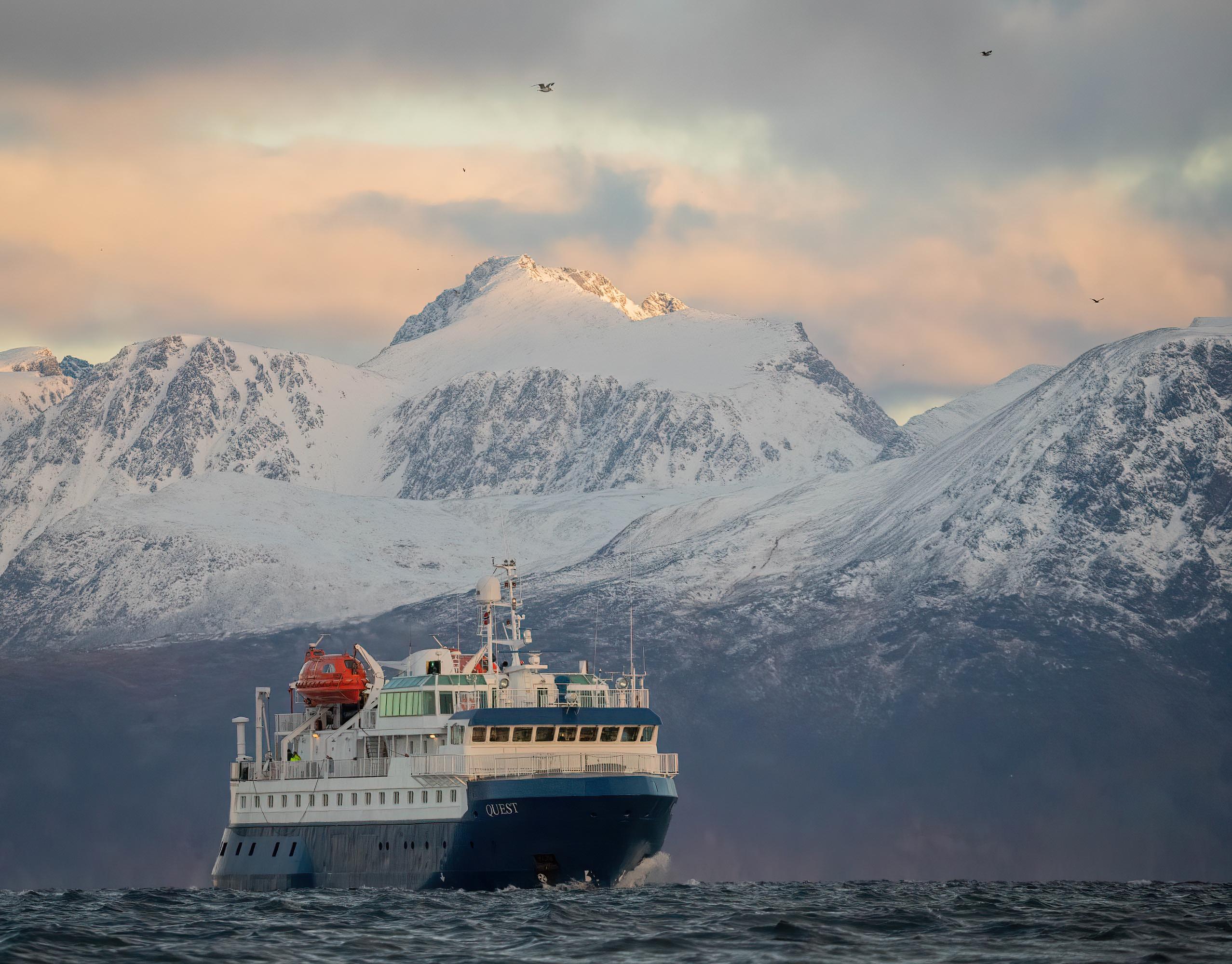
Sleep aboard MV Quest in a private cabin while chasing Aurora and whales across Arctic fjords

4.9 (47)
FromFrom €601.53
See details
What you'll see

What you'll see at Norway Whale Watching Packages

Hybrid-Electric Catamarans

Hybrid-Electric Catamarans

Eco-friendly vessels designed to move silently through the water to minimize disturbance to whales.

Panoramic Saloons

Heated indoor decks with floor-to-ceiling windows for spotting marine life.

Underwater Drones

Underwater Drones

Live stream technology providing a unique perspective on feeding humpbacks and orcas.

RIB Safaris

RIB Safaris

High-speed adventure boats that allow for closer, faster access to sightings in the fjords.

Professional Biologists

Professional Biologists

Expert guides who provide in-depth information about Arctic ecosystems and herring migration.

The experience

What visiting Norway Whale Watching Packages is really like

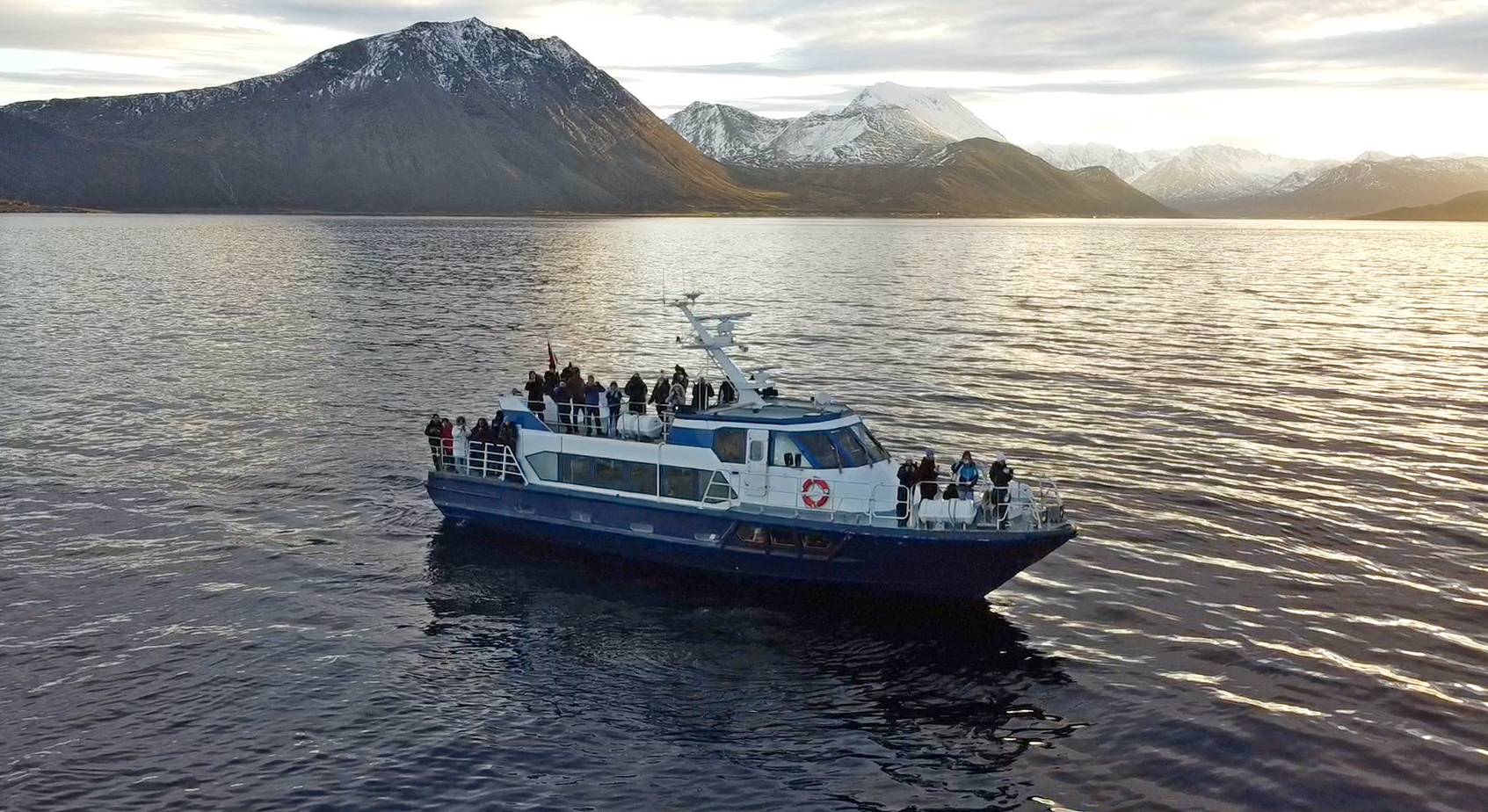
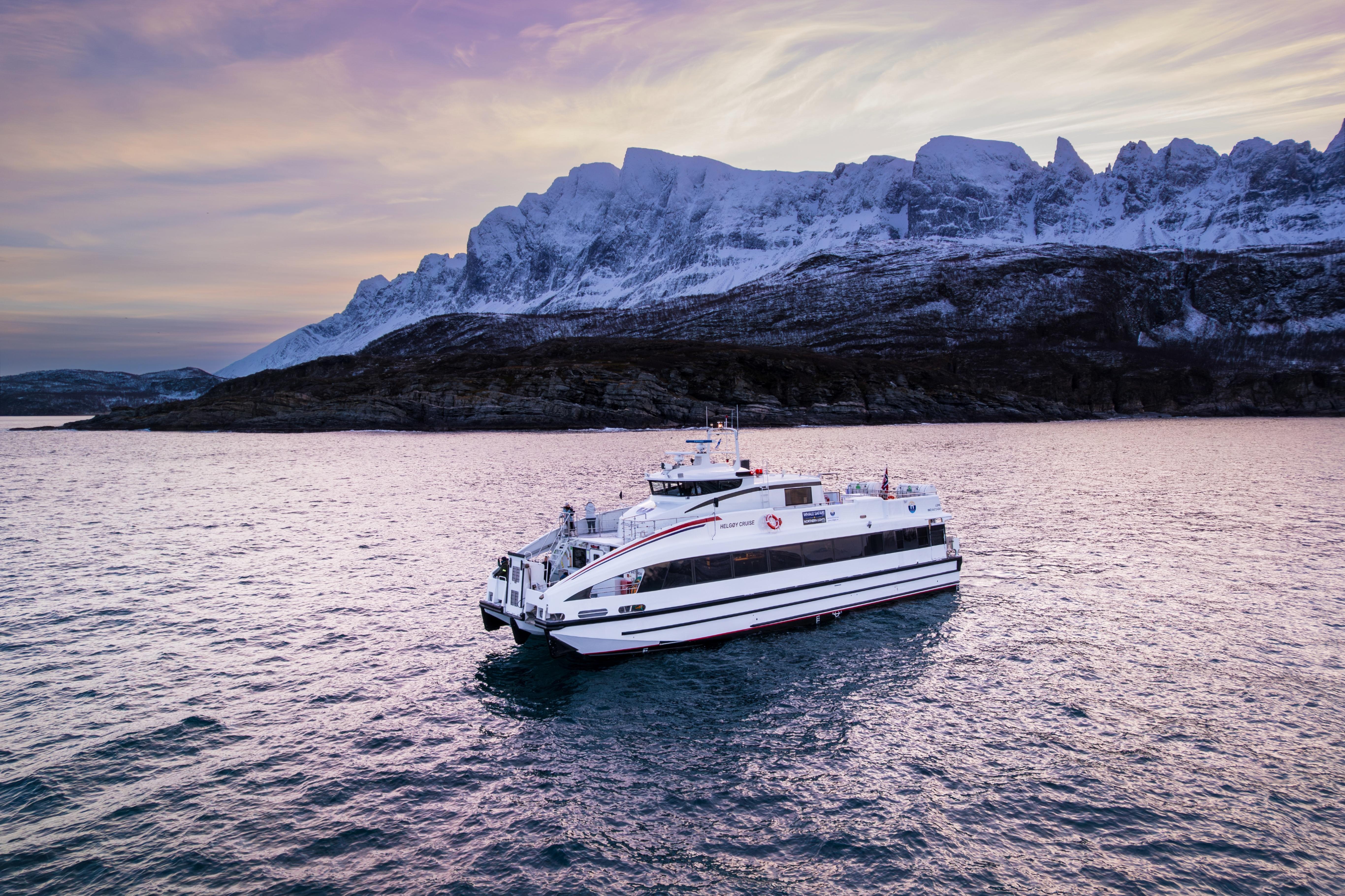
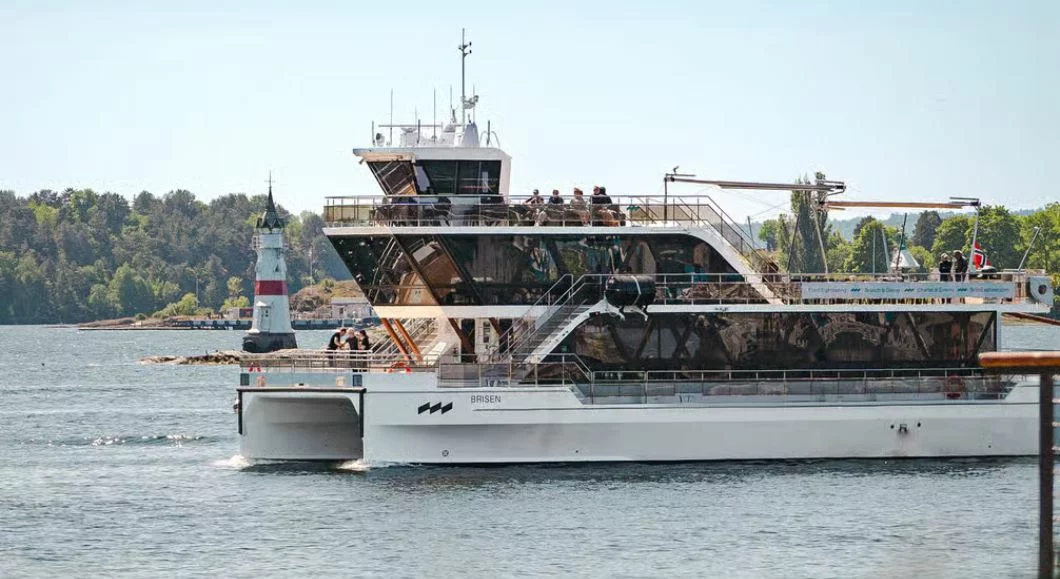
You board at Tromsø Harbour shortly after eight, stepping onto a hybrid-electric catamaran designed with wraparound viewing decks and heated indoor cabins. The vessel clears the harbor breakwater within ten minutes, its twin hulls cutting north through Balsfjord toward open water.

Read more Show less

The crew briefs passengers on sighting protocol—no sudden movements, voices lowered once engines cut—and distributes thermal suits for those planning to remain on deck throughout the expedition.

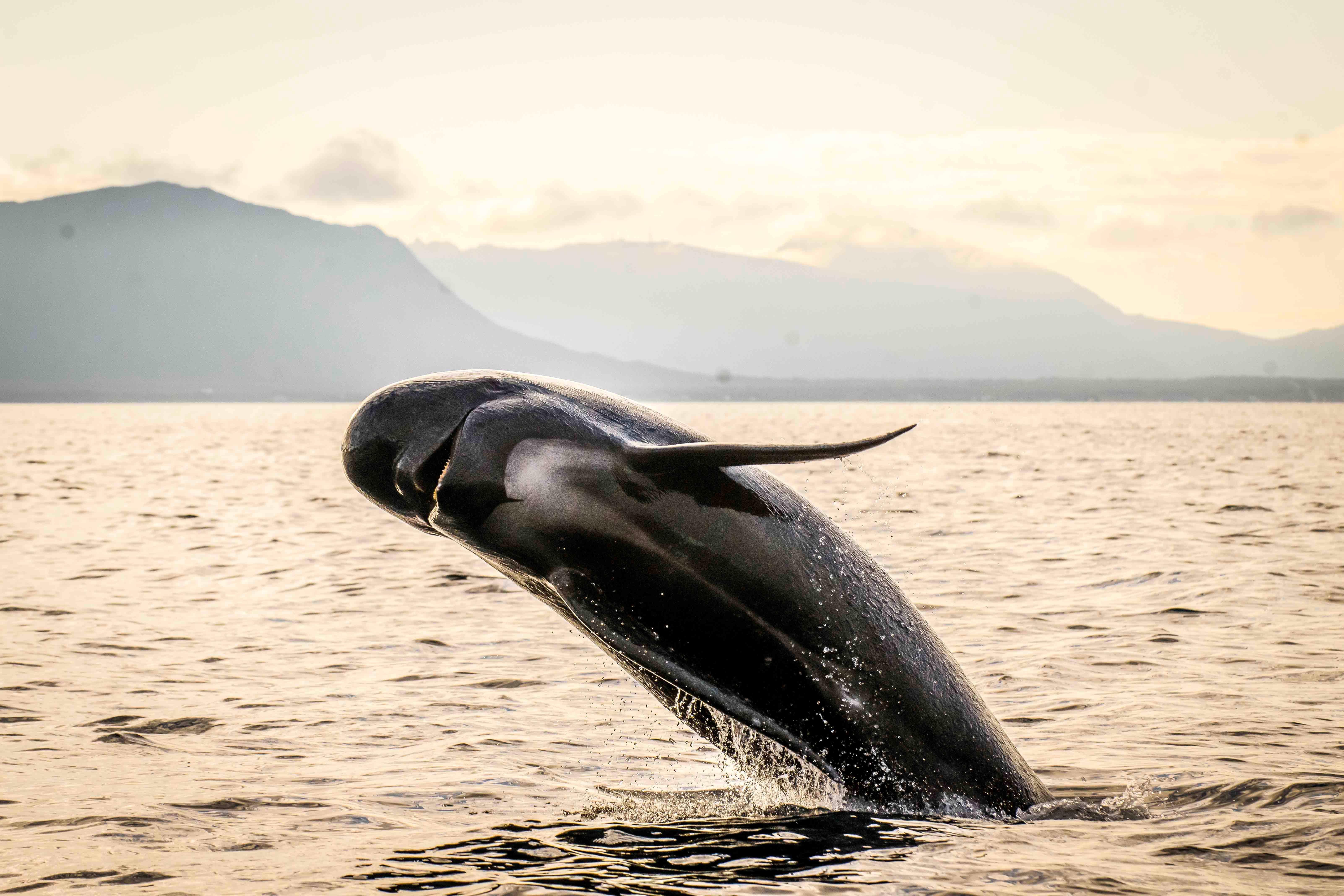
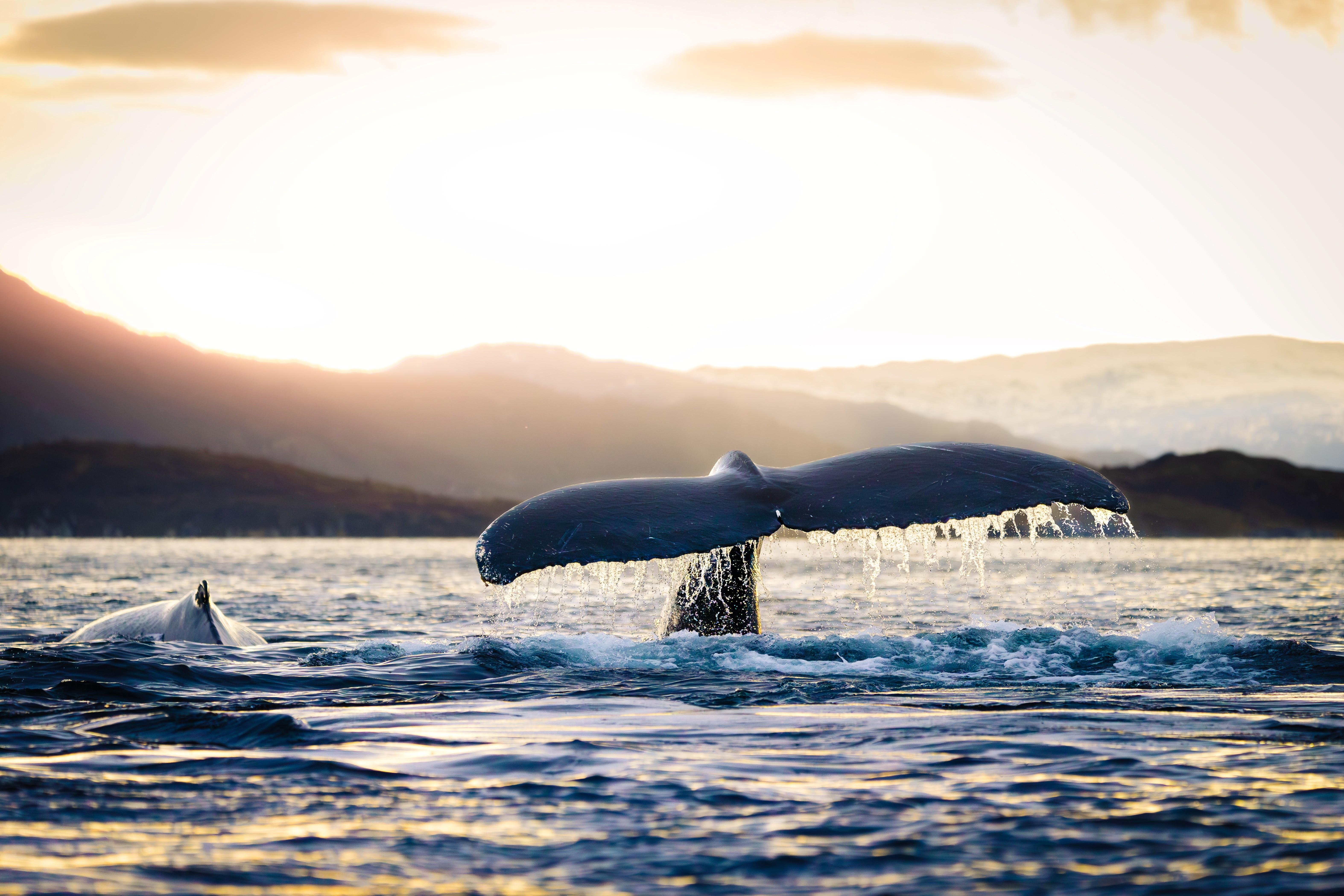
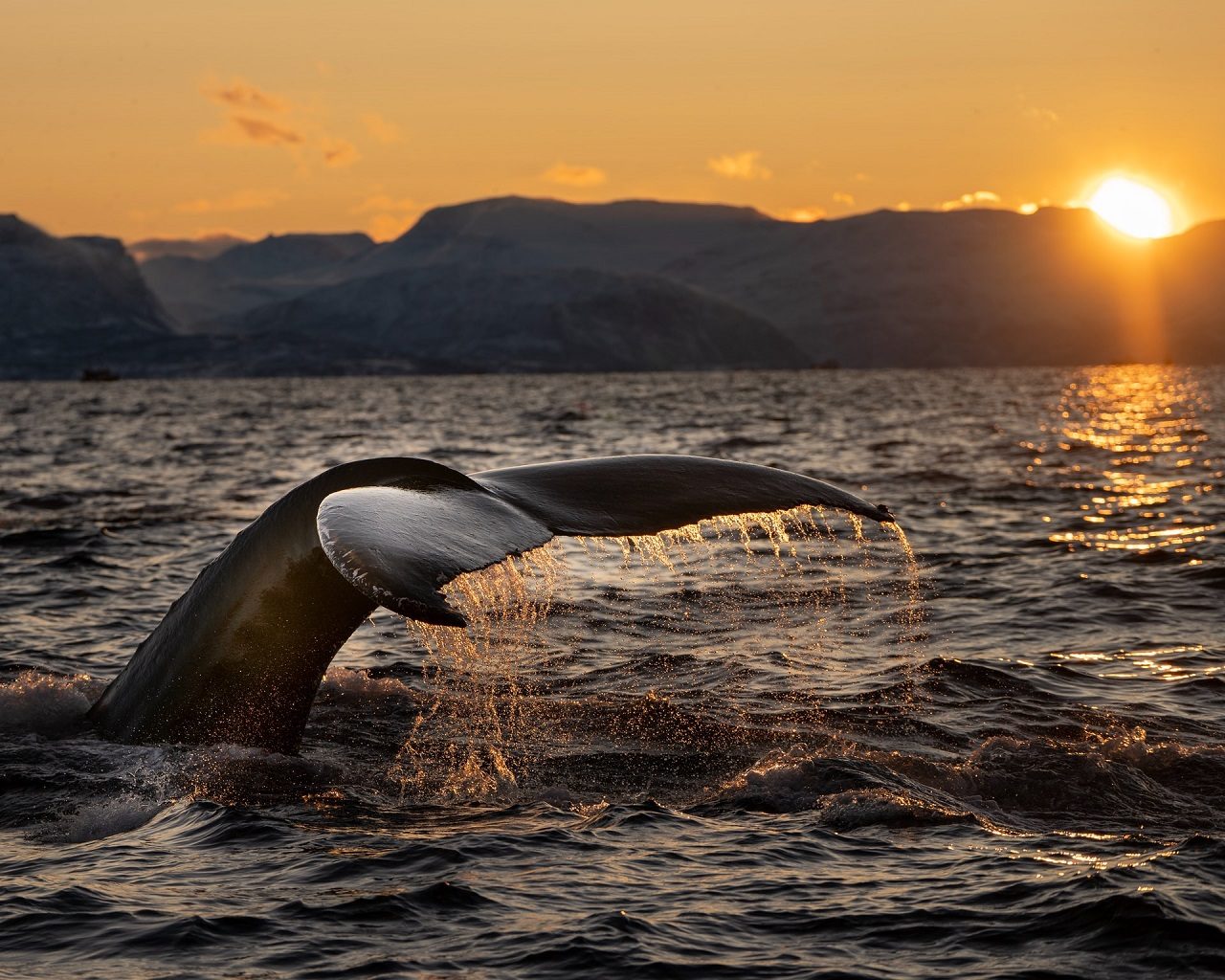
An hour into the crossing, the captain reduces speed and points northeast. A plume of mist rises three hundred metres off the port bow. The engines fall silent. You move to the rail as a humpback surfaces, exhales, and rolls forward, its dorsal fin tracing a slow arc before the fluke lifts clear of the water and descends. The whale remains submerged for four minutes. When it resurfaces, a second humpback appears alongside it, then a third. The pod feeds in a loose formation, their breaths synchronized in intervals you begin to anticipate.

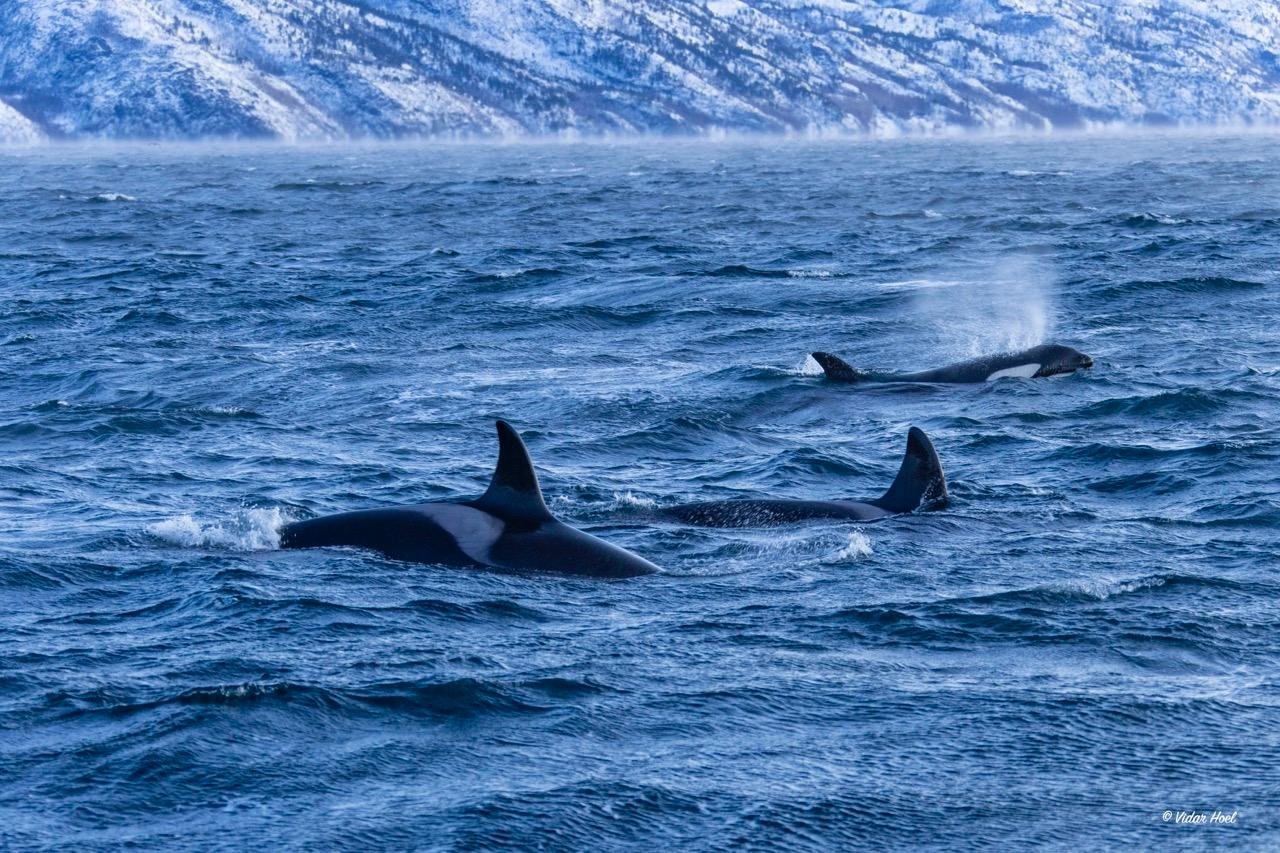
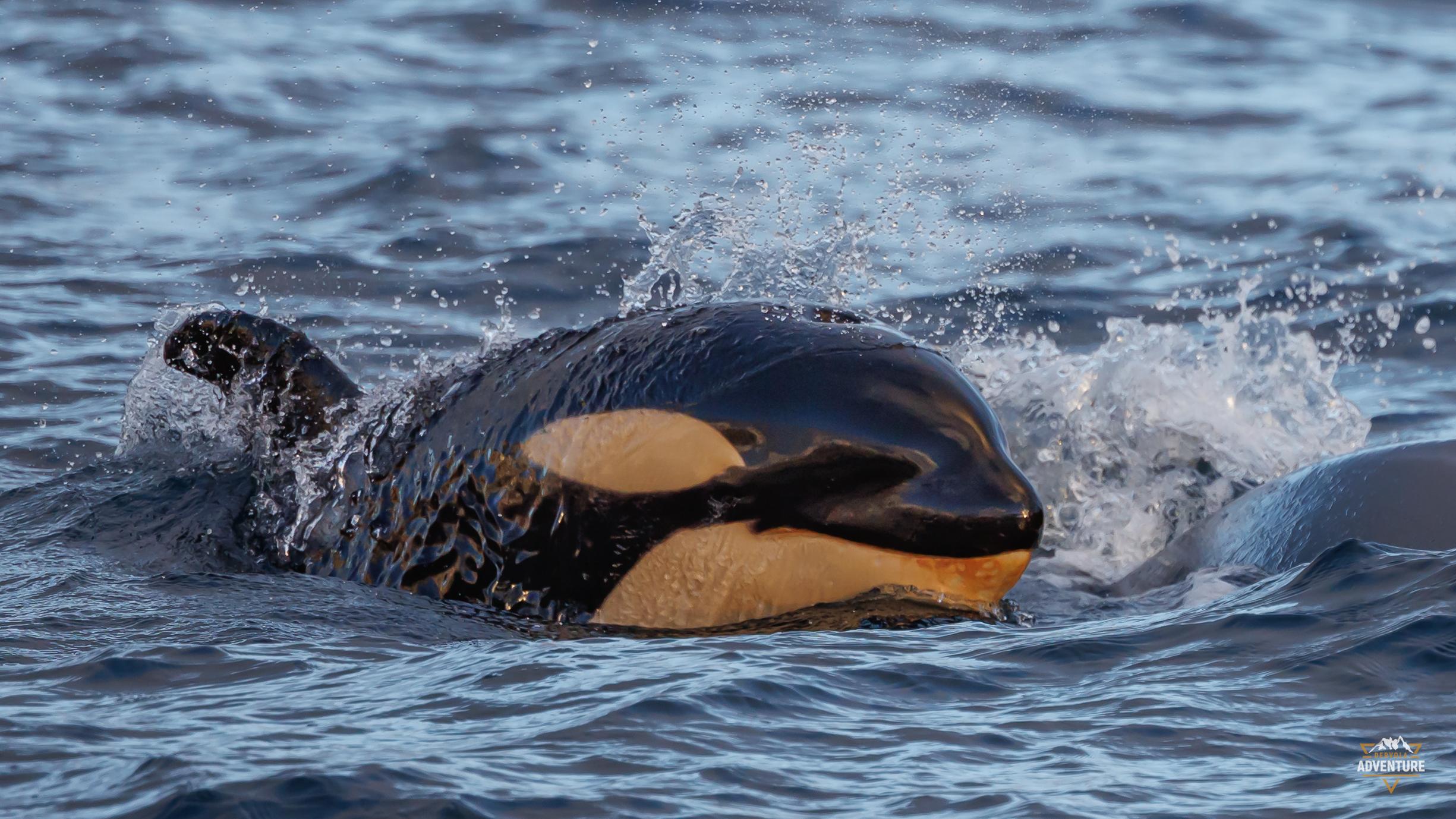
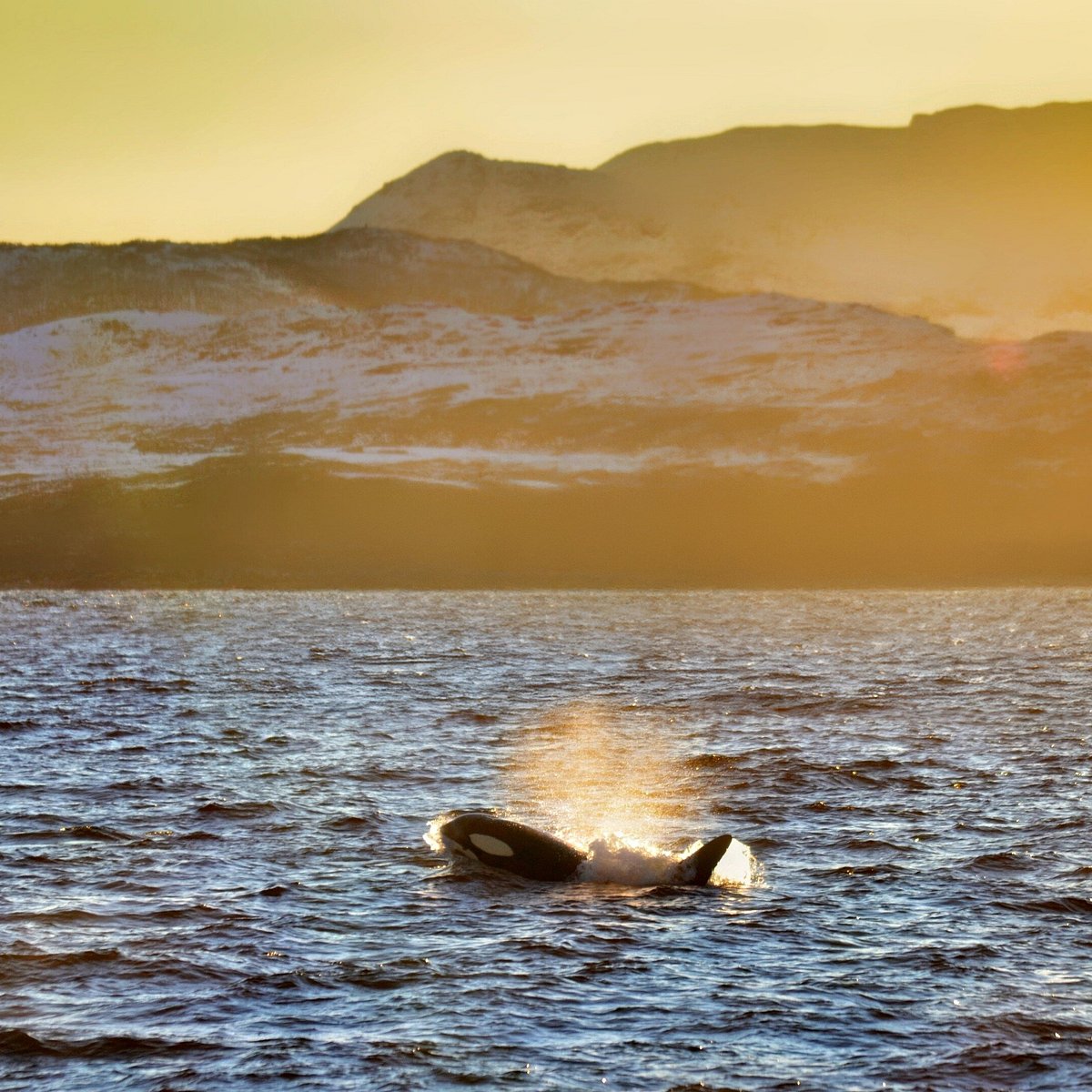
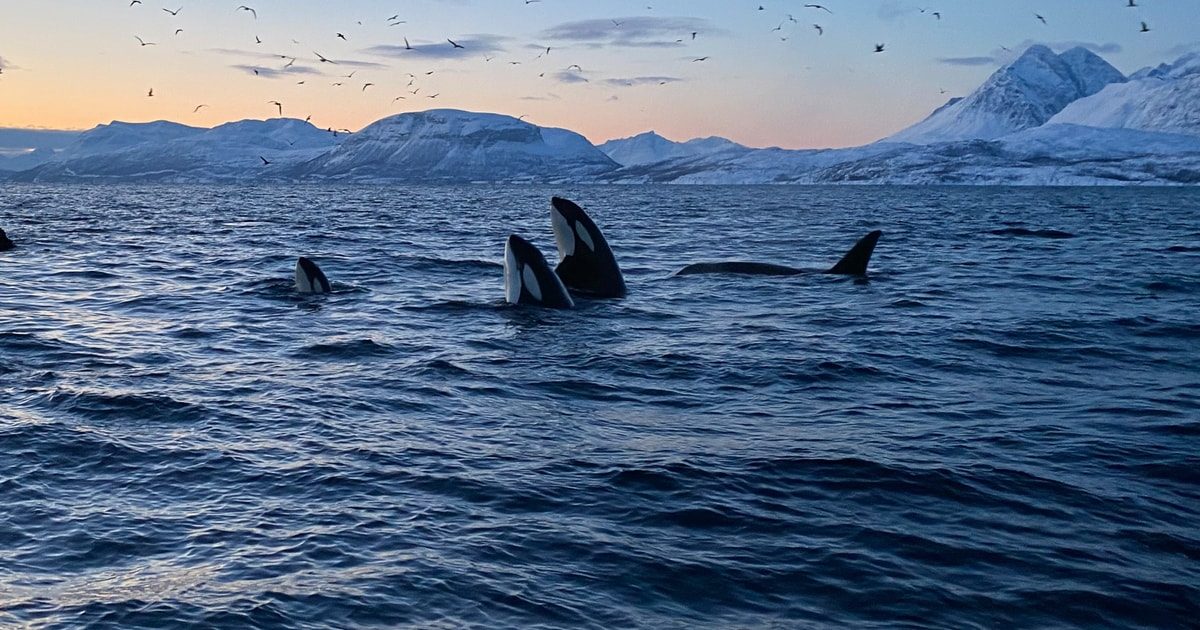
Fifteen minutes later, an orca surfaces closer to the stern, its white eye patch visible as it turns parallel to the hull. The dorsal fin—nearly two metres tall—cuts the surface in a straight line before the whale dives, leaving only a slick of calm water. The crew remains silent. You watch the slick dissipate, then scan the horizon for the next breath.

Norway Whale Watching Packages
Everything You Need to Know

Your complete Norway Whale Watching Packages guide

All the details about your upcoming adventure in one place

Every winter, more than three hundred humpback whales migrate to the waters off northern Norway, following vast herring schools into the narrow fjords between Tromsø and Skjervøy.

The phenomenon began in 2010, when shifting ocean temperatures and prey availability redirected the whales from traditional Icelandic feeding grounds to the Norwegian coast. By 2015, the migration had become predictable enough that Tromsø—a city already known for its Northern Lights tourism—began investing in marine infrastructure tailored to whale observation. The Arctic Cathedral's distinctive triangular silhouette now shares the harbour with hybrid-electric catamarans designed for silent fjord transit, their engines muted to comply with regulations protecting cetacean feeding behavior.

Norway whale watching packages operate under strict guidelines established by the Norwegian Environment Agency. Vessels must maintain a minimum distance of one hundred metres from whales, reduce speed within proximity zones, and limit engine noise to avoid disrupting echolocation. These rules, enforced through licensing requirements, have made the Tromsø region a model for sustainable marine tourism. The regulations also explain the prevalence of hybrid-electric and RIB vessels in the local fleet—both vessel types can cut engines entirely during sightings, allowing passengers to observe humpbacks and orcas in near silence.

The whales arrive in November and remain until late January, a window dictated by herring migration patterns. Orcas, which hunt cooperatively using carousel feeding techniques, appear alongside humpbacks throughout the season. Fin whales—the second-largest cetacean species—occasionally enter the fjords but remain farther offshore. Most expeditions depart from Tromsø Harbour between eight and ten in the morning, navigating north toward Skjervøy or west into Lyngen fjord. The journey takes between one and three hours depending on recent sighting reports radioed between vessels. Charter operators monitor whale activity daily, adjusting routes in real time to maximize encounter probability while respecting exclusion zones around known feeding aggregations.

The science behind Norway whale watching packages has evolved alongside the tourism infrastructure. Researchers from the University of Tromsø frequently embed with charter vessels, collecting acoustic and photographic data used to track individual whales across seasons. Fluke identification catalogs now contain more than two hundred humpbacks photographed in Norwegian waters, many of which also appear in databases maintained by research stations in Iceland and Canada. This longitudinal data has confirmed that the Norwegian migration is not an anomaly but a behavioral adaptation likely to persist as long as herring stocks remain stable in Arctic coastal zones.


Vessels must maintain a minimum distance of one hundred metres from whales, reduce speed within proximity zones, and limit engine noise to avoid disrupting echolocation.

Dress code

Dress in three warm layers, including a wool base layer, mid-layer fleece, and windproof, waterproof outer shells. Sturdy, warm footwear is essential for safety on deck.

Bags & security

Keep bags minimal and waterproof, as sea spray can occur during transit. Large luggage should remain at your hotel, as storage space on whale watching vessels is limited.

Photography

Photography is encouraged, but protect your gear from moisture with a dry bag or cover. A telephoto lens (100–400mm) is recommended for capturing marine life at a distance.

Families & strollers

These experiences are family-friendly, though infants or young children should be monitored closely on deck. Ensure all children are accompanied by an adult at all times.

Accessibility

Some larger catamarans offer accessible facilities; contact specific tour providers in advance regarding mobility needs. Certain RIB tour vessels may not be suitable for guests with back or heart conditions.

Food & drink

Most operators feature an onboard cafe selling local snacks and beverages, though some prohibit bringing your own food. Complimentary tap water is standard on many major fleet vessels.

Not allowed

× Aerial drones × Alcohol × Glass containers × Illicit drugs × Weapons × Large suitcases × Excessive loose gear × Smoking products × Vaping devices

What to bring

✓ Camera with telephoto lens ✓ Seasickness medication ✓ Wool base layers ✓ Waterproof gloves ✓ Warm winter hat ✓ Dry bag ✓ Binoculars

Opening hours

Mon 08:00–18:00
Tue 08:00–18:00
Wed 08:00–18:00
Thu 08:00–18:00
Fri 08:00–18:00
Sat 08:00–18:00
Sun 08:00–18:00

How to get there

At a glance

Opening Hours

08:00–18:00 daily

Address

Tromsø Harbour, Tromsø, Norway

Disability Access

Selected hybrid-electric vessels feature accessible facilities

Best Arrival

08:00–10:00 for optimal daylight

Storage

Leave large luggage at your accommodation

Navigation

Tromsø Harbour is walkable from city center hotels

Getting there

Walk · N/A · Free

Tromsø Harbour is located within walking distance of most central downtown hotels.

Public transport · Varies · Budget-friendly

Bus lines to Prostneset stop adjacent to the harbour ferry terminal.

Cancellation policy

Full refunds are typically provided for cancellations made more than 48 hours before the scheduled departure. No entrance fee applies as there is 0 NOK for entry, with costs strictly per specific norway whale watching packages booked.

Plan your time

Planning Your Norway Whale Watching Packages: Daily Rhythm

Recommended time

4-6 hours

A typical excursion to spot marine mammals at sea spans half a day, ensuring sufficient time to navigate toward fjords and observe pods. When researching norway whale watching packages, account for additional preparation time at Tromsø Harbour before your boat departs. Securing norway whale watching packages tours allows you to experience the arctic ecosystem with expert guides who locate the wildlife efficiently. Choosing these norway whale watching packages tickets often includes safety gear, which may add twenty minutes to your boarding process.

Crowd levels through the day

08:00–10:00 Light
10:00–12:00 Moderate
12:00–14:00 Peak
14:00–16:00 Moderate
16:00–18:00 Light
Plan ahead

Best time to visit Norway Whale Watching Packages

Weather · crowds · average price — dots go green to amber to red as each metric rises.

Autumn

September offers crisp air and preparatory whale migration sightings as daylight begins to wane.

Winter

November to January is the peak season when orcas and humpback whales follow herring into the fjords.

Spring

Late season sightings are rare as whales migrate away from the coast.

Insider tips

Helpful tips for visiting Norway Whale Watching Packages

Seasickness prevention

Take seasickness medication the night before your boat trip for the best effect on the fjords.

Layering principle

Always wear wool next to the skin to stay warm even if your clothes become damp from sea spray.

Operator choice

Select tour operators that adhere to ethical whale watching guidelines to minimize engine noise and disturbance.

Check visibility

Monitor weather updates daily as fjord conditions can shift rapidly during the Arctic winter.

Where to meet

Norway Whale Watching Packages meeting points

Prostneset Terminal

Samuel Arnesens gate 5, Tromsø

Main hub for regional departures

Get directions
The story

The history of Norway Whale Watching Packages

Commercial whale watching in Norwegian waters emerged in the late 1980s, a direct reversal of centuries during which whales were hunted rather than observed. Norway's whaling industry peaked in the early twentieth century, with stations dotting the northern coastline from Finnmark to Troms. By 1988, when the International Whaling Commission moratorium took effect, coastal communities faced economic uncertainty. Tromsø, long a base for Arctic expeditions and fisheries, pivoted toward nature tourism. The first norway whale watching packages appeared in 1991, modest excursions aboard refitted fishing vessels that capitalized on seasonal herring migrations drawing orcas and humpbacks into Tysfjord and surrounding waters. The industry nearly collapsed in 1995 when herring stocks shifted abruptly south, stranding operators with empty boats. Recovery came through scientific collaboration. Marine biologists from the University of Tromsø documented that sperm whales inhabited deeper offshore trenches year-round, while humpback whales followed predictable autumn feeding patterns. By 2000, operators had diversified routes and adopted rigid codes of conduct—minimum approach distances, engine-cut protocols, passenger limits—to distinguish themselves from unregulated competitors. The Norwegian Directorate of Fisheries formalized these practices in 2003, issuing the first whale-watching permits under revised wildlife protection statutes. Today's norway whale watching packages tours reflect three decades of ecological adaptation. Operators work with real-time sighting networks and onboard marine researchers. Orca safaris, once confined to winter herring runs, now extend from November through February. Humpback and fin whale excursions anchor the autumn season, while sperm whale tracking operates in deep fjord channels during summer months. The model persists because it transformed extractive heritage into observation-based stewardship, a shift encoded in every norway whale watching packages ticket sold from Tromsø Harbour.

1988

International Whaling Commission moratorium ends commercial hunting in Norwegian waters.

1991

First commercial whale watching tours depart from Tromsø using converted fishing boats.

1995

Herring migration shifts southward, causing temporary collapse of orca-watching operations.

2000

Operators diversify to year-round species including sperm whales and humpbacks in deeper fjords.

2003

Norwegian Directorate of Fisheries issues first formal whale-watching permits with approach distance regulations.

2010s

Real-time sighting networks and onboard marine biologists become standard across licensed operators.

2020s

Whale watching establishes itself as Tromsø's leading wildlife tourism sector with strict sustainability protocols.

Photo spots

Best photo spots at Norway Whale Watching Packages

Tromsø Harbour Pier

Tromsø Harbour Pier

Best light · 08:00–10:00

Position yourself at the edge of the main pier for clear views of the vessel silhouettes against the Arctic landscape. This area provides the most stable platform before your norway whale watching packages departure.

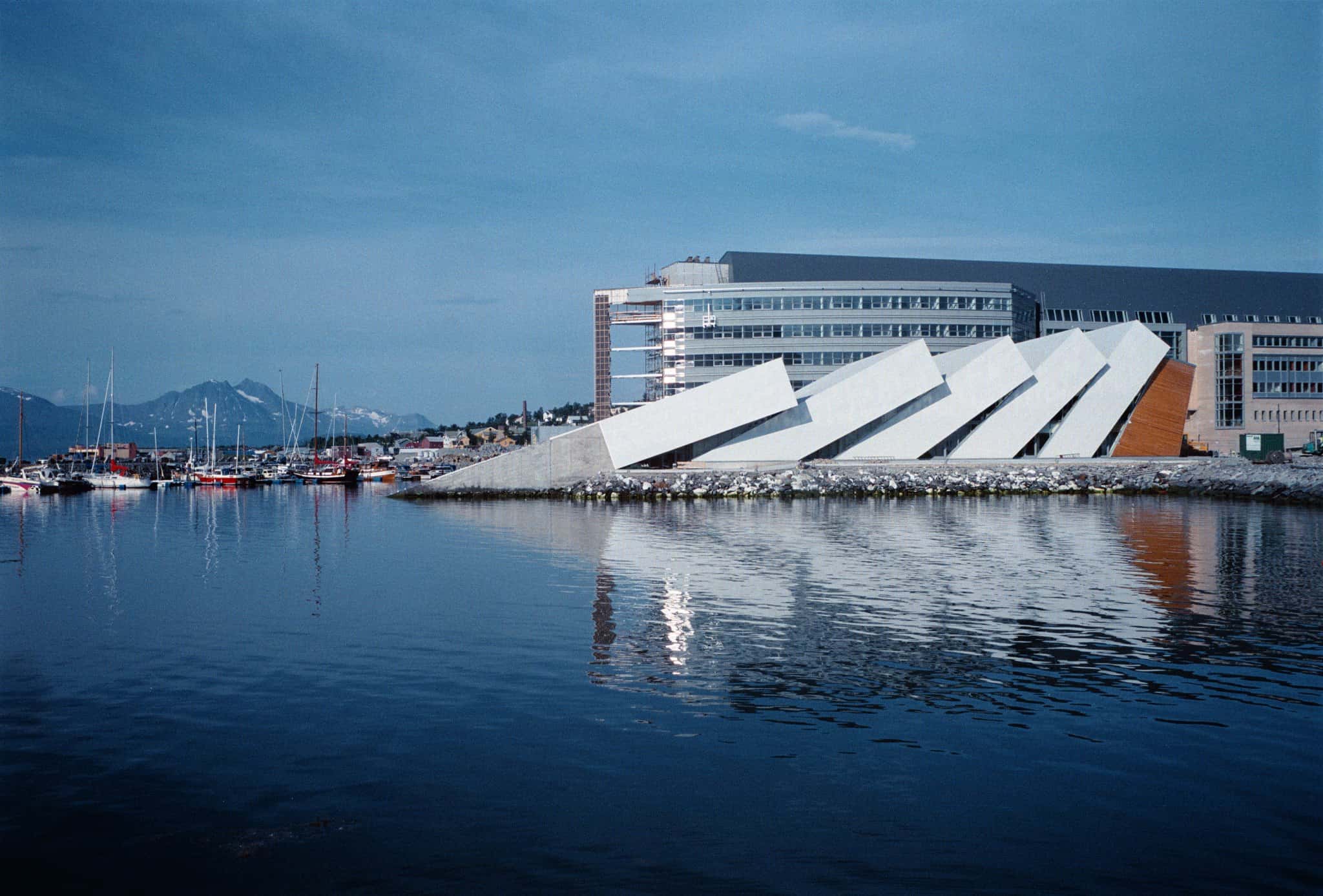
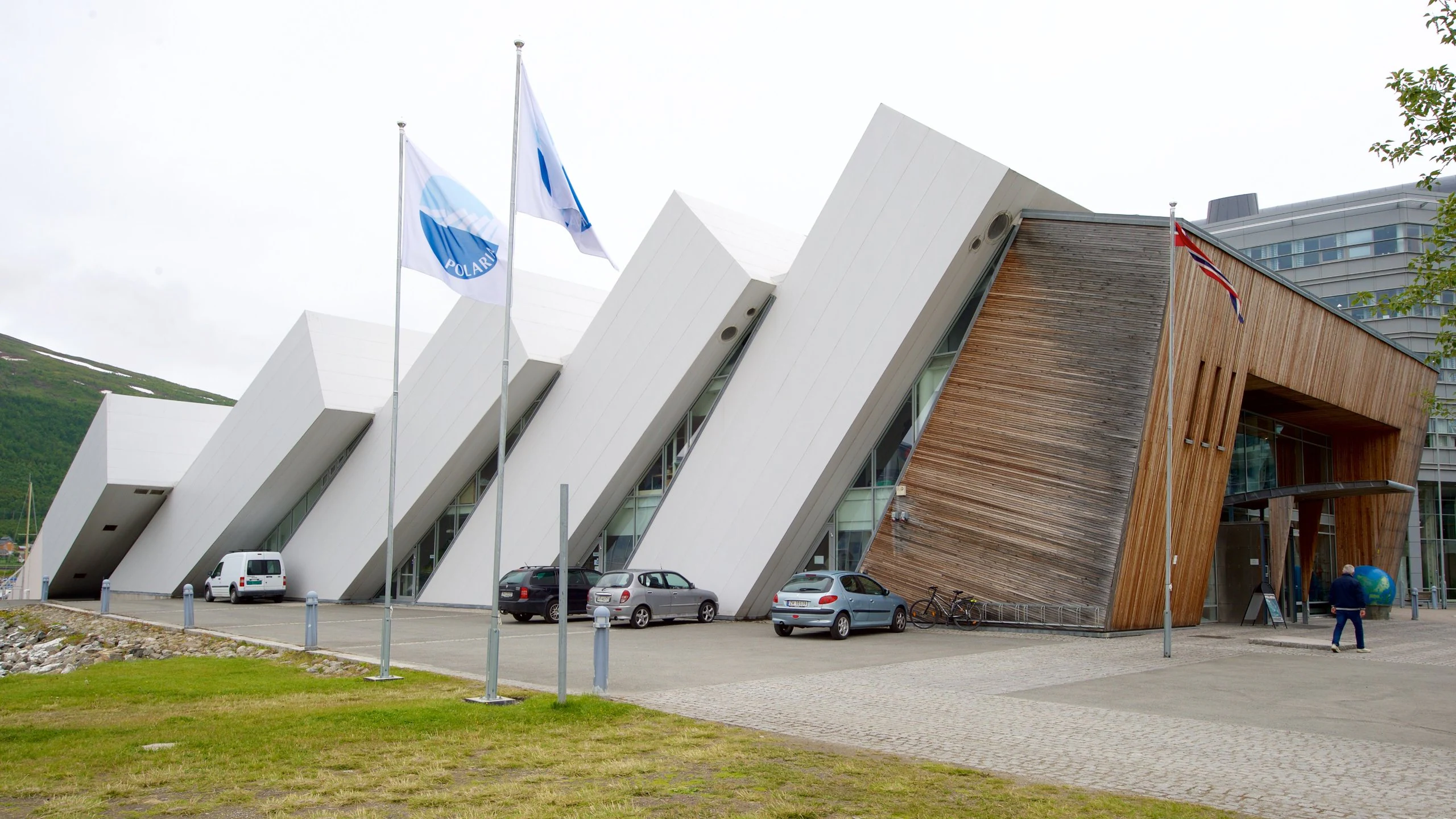
Polaria Arctic Aquarium Corridor

Polaria Arctic Aquarium Corridor

Best light · None

Capture the architectural geometry of the building which serves as a landmark for many norway whale watching packages tours. The windows offer a sheltered vantage point looking out toward the water.

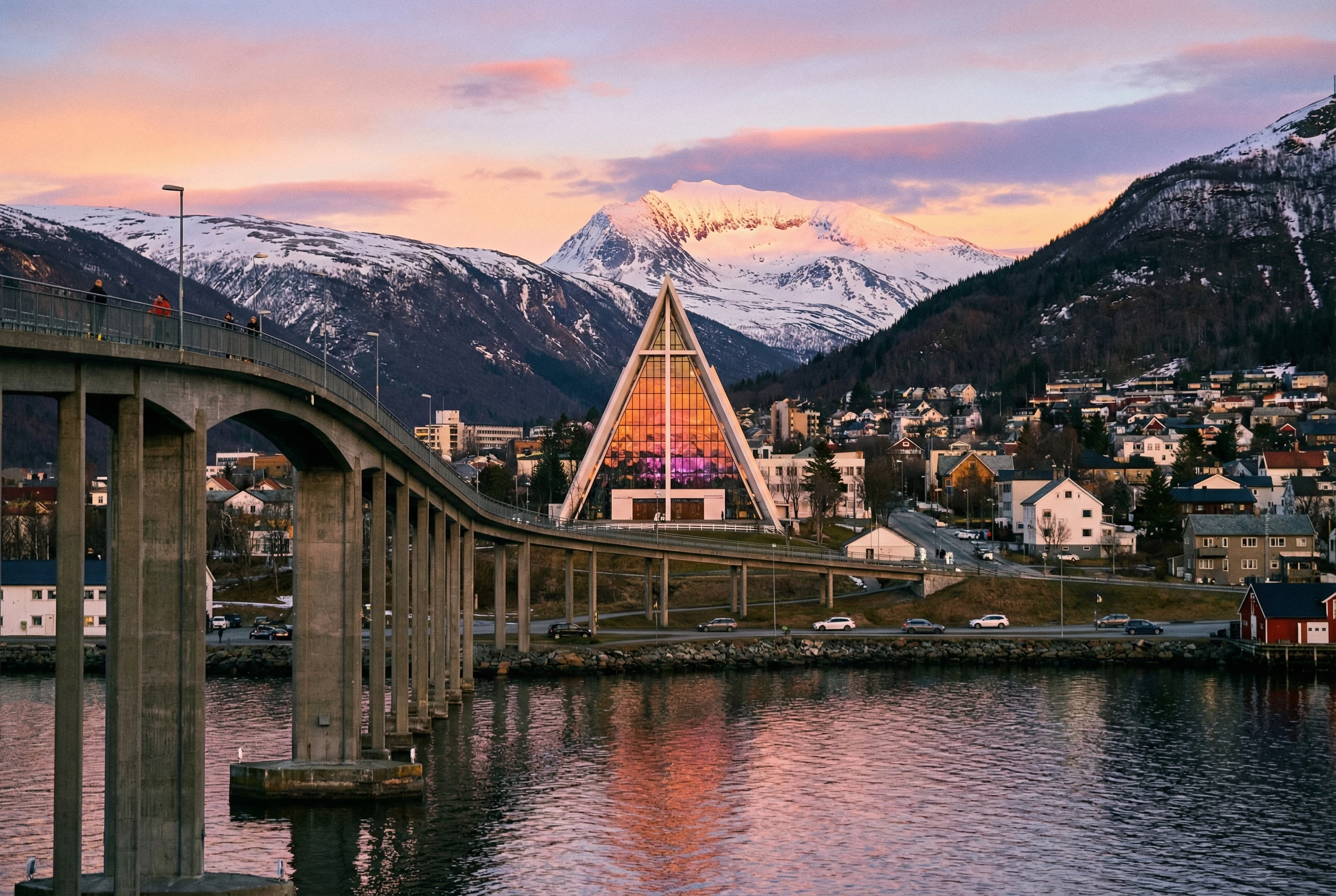
Tromsø Bridge Viewpoint

Tromsø Bridge Viewpoint

Best light · Golden hour

This elevated spot allows for a wide-angle composition of the harbour and the surrounding mountain ranges where norway whale watching packages tickets are often checked. Stand on the pedestrian walkway for a clear line of sight over the frozen or dark waters.

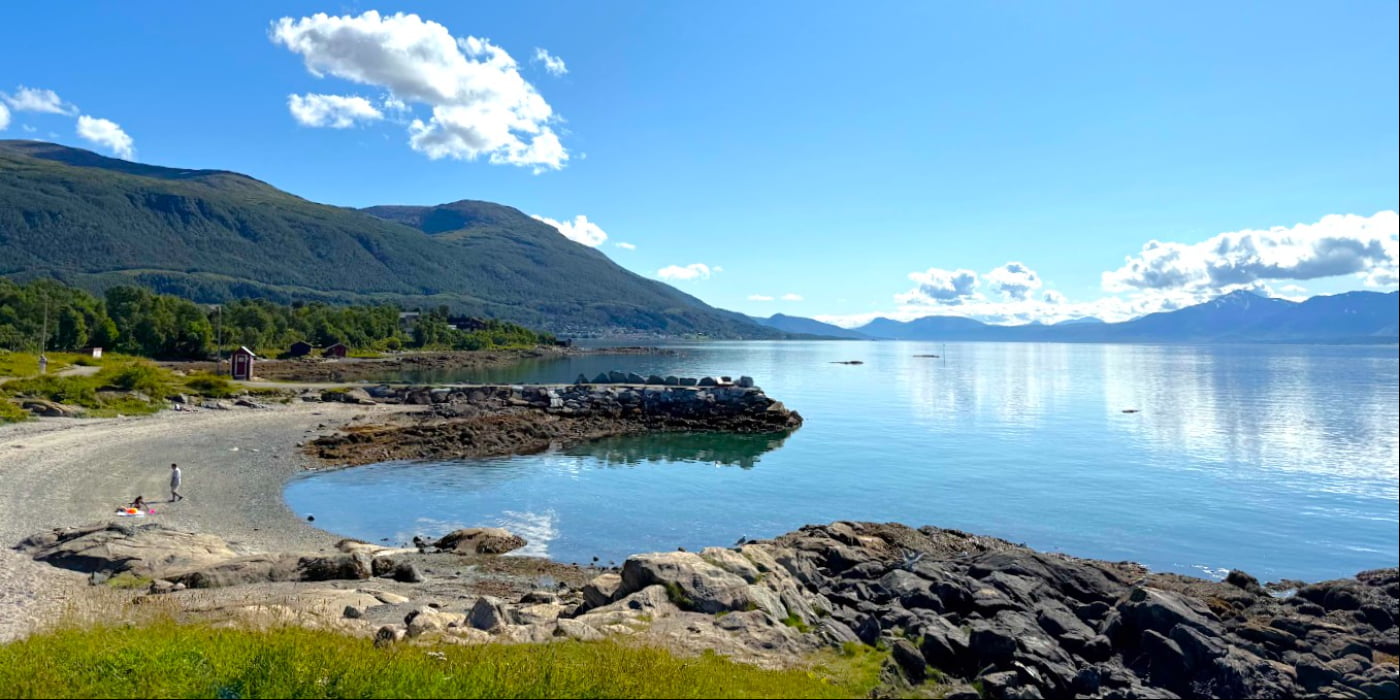
Telegrafbukta Beach

Telegrafbukta Beach

Best light · Before 18:00

A quiet shoreline location that provides a low-angle perspective for coastal photography. It is an ideal spot to photograph the return of boats from norway whale watching packages tour excursions in the late afternoon.

Gallery

Moments from Norway Whale Watching Packages

With kids

Family Considerations for Norway Whale Watching Packages

Planning a trip to see marine wildlife with children requires careful selection of norway whale watching packages to ensure comfort and safety. Choosing the right vessel type is essential for a successful family outing on the water.

Vessel Selection

Select larger catamarans for families, as they offer indoor cabins, restrooms, and stability compared to open RIB boats. These norway whale watching packages tours provide much-needed shelter from the arctic wind and spray.

Age Requirements

RIB boat excursions often enforce strict minimum age limits due to high-speed movement and physical demands on young children. Always verify the specific age restrictions listed for your preferred norway whale watching packages tickets.

Onboard Facilities

Most larger vessels are equipped with basic galley services, but carrying extra snacks and warm, waterproof layers is advised for children. Using these Tromsø whale watching tour options allows families to retreat inside if the weather shifts.

Pacing and Comfort

The best arrival window is 08:00–10:00 to ensure your family is ready for departure during peak daylight hours. Booking early helps avoid long wait times at the harbor during the busy winter season.

Food & drink

Where to eat at Norway Whale Watching Packages

Visitors arriving at Tromsø Harbour for their norway whale watching packages will find several dining options within a short walk of the departure docks. Whether you seek a quick bite before your norway whale watching packages tours or a warming meal after returning, the city center offers convenient access to local Arctic cuisine.

Bardus Bistro

€€€

Bistro — 3 min walk

Known for using local ingredients, this spot is ideal for a hearty post-excursion dinner. It offers a cozy atmosphere perfect for discussing your norway whale watching packages tickets experience.

FAQ

Norway Whale Watching Packages — frequently asked questions

Everything you need to know for your journey

Around the corner

More to see near Norway Whale Watching Packages

Arctic Cathedral

15 min

landmark

Iconic triangular architecture designed to resemble icebergs.

Polaria

Polaria

10 min

museum

Arctic experience center focusing on local marine nature and wildlife.

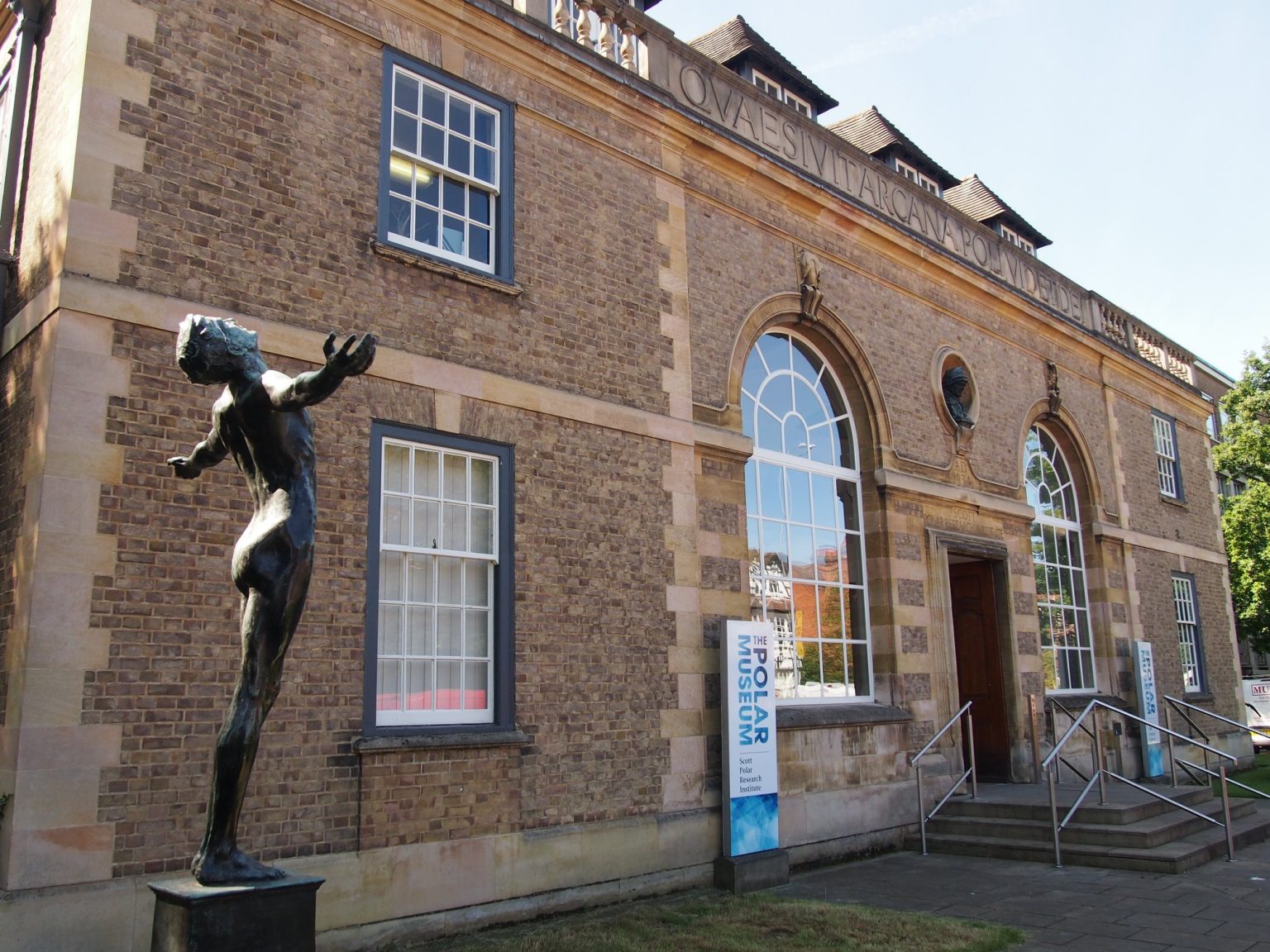
Polar Museum

Polar Museum

5 min

museum

Historical exhibits detailing Arctic expeditions and hunting life.

Where to stay

Where to stay near Norway Whale Watching Packages

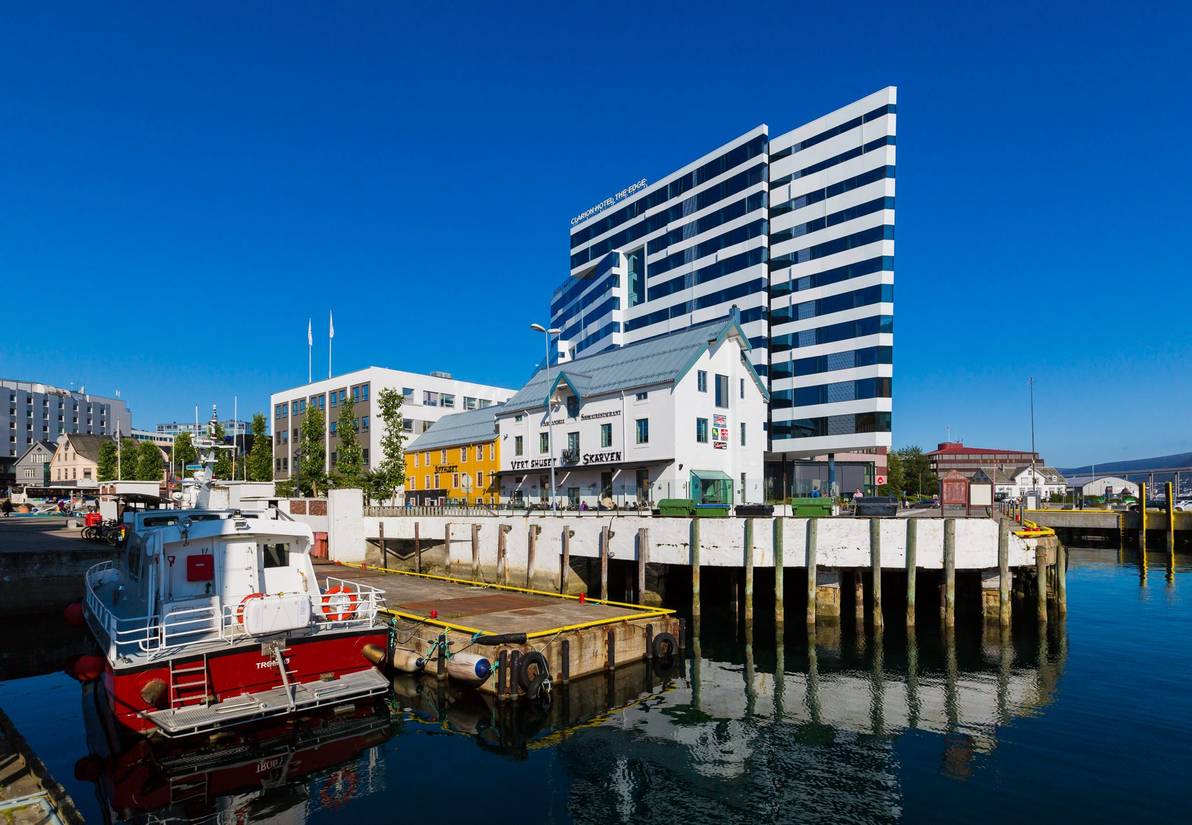
Clarion Hotel The Edge

Clarion Hotel The Edge

2 min

luxury

Waterfront hotel offering premium amenities and skybar access.

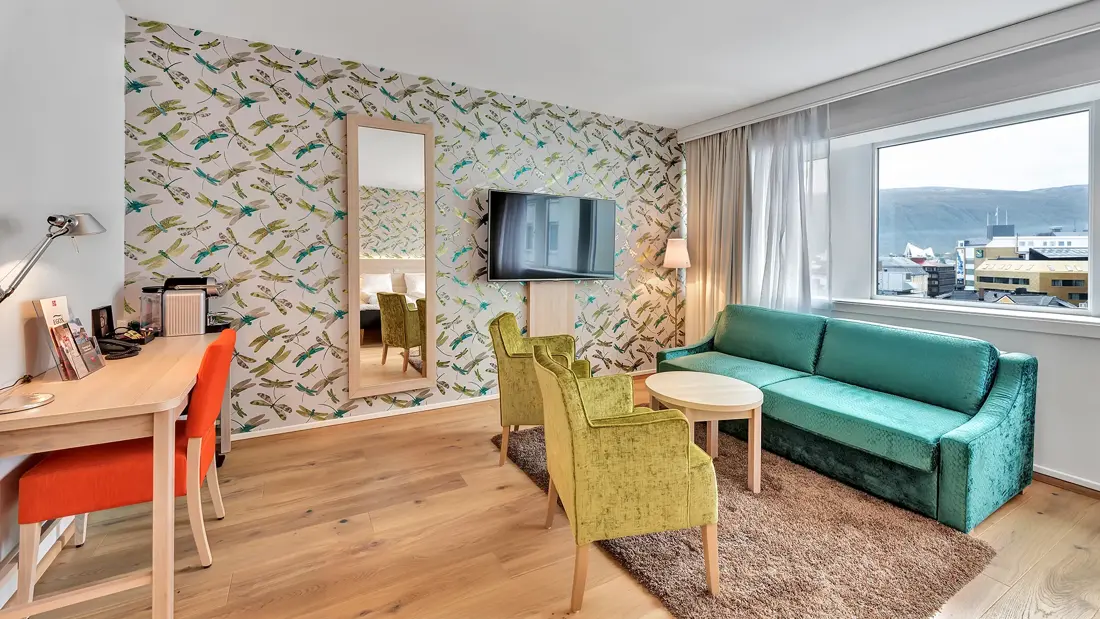
Thon Hotel Tromsø

Thon Hotel Tromsø

5 min

mid-range

Central location ideal for accessing harbour departures.

Ready for Adventure?

Join thousands of happy travelers who have discovered this incredible experience

Book Your Experience Now