

Quick answer
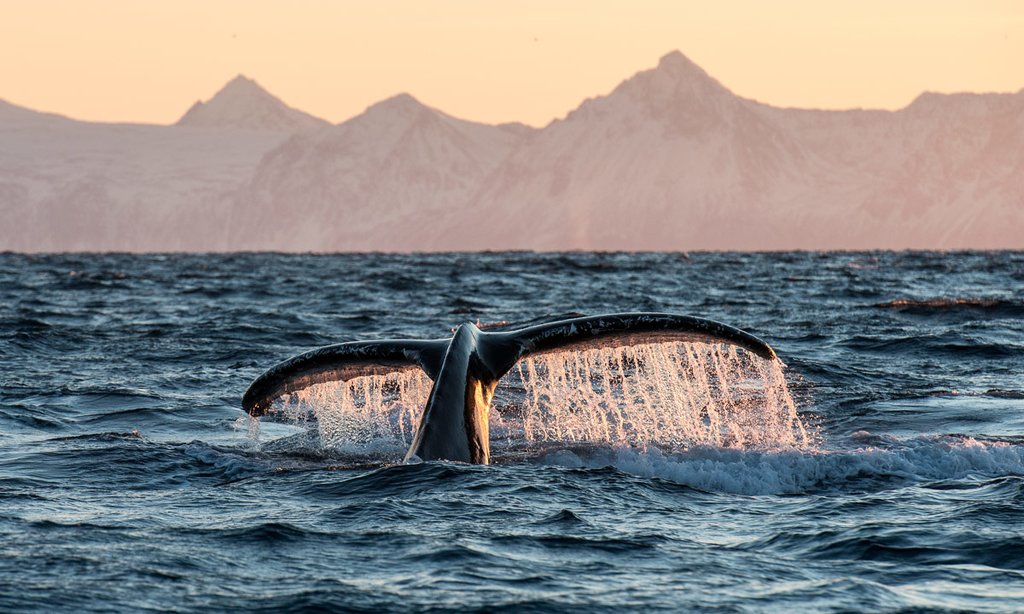
The best time for Norway whale watching runs from late October through mid-February, when orcas and humpback whales follow herring schools into Andenes waters. Sperm whales appear year-round in the deep Bleik Canyon off Vesterålen, making May through September ideal for summer sightings under midnight sun conditions. Winter expeditions offer dramatic species diversity but face shorter daylight and rougher seas, while summer guarantees calmer waters and extended light for photography.
Sperm whales hunt the Bleik Canyon's squid populations twelve months a year, making Andenes one of the few Arctic locations where deep-diving cetaceans appear regardless of season. The canyon drops to over one thousand meters within three kilometers of shore, creating a permanent feeding ground that anchors resident pods. This geological feature drives Norway's reputation as a year-round whale watching destination, though seasonal migrations add layers of complexity to trip planning. Winter transforms Vesterålen into a gathering point for transient orcas and humpbacks that trail massive herring schools along the continental shelf. The herring spawn cycle pulls these predators north from November onward, concentrating them in coastal waters through early spring. Sightings peak between December and February when both species hunt cooperatively in the fjords, though polar darkness limits daily departure windows to a few midday hours. Morning departures from Andenes harbor between eight and ten o'clock capture the brief window of usable light, and tour operators adjust schedules weekly as sunrise times shift. Summer whale watching operates under opposite conditions. Midnight sun extends from late May through July, giving expeditions flexible departure times and calm seas that favor smaller vessels. Sperm whale encounters dominate this season, with minke whales and white-beaked dolphins appearing as secondary sightings. The tradeoff is species variety—orcas and humpbacks migrate to feeding grounds farther north or west, leaving Vesterålen's summer waters less crowded but more predictable. Photographers favor June and July for the combination of long light and glassy water, while researchers target autumn shoulder months when multiple species overlap during migration transitions. The herring migration timing shifts slightly year to year based on ocean temperatures and prey distribution, meaning the optimal weeks for orca sightings can move forward or backward by ten to fourteen days. Local operators monitor herring schools via fishery reports and adjust marketing windows accordingly, but the broad November-to-February pattern holds across decades of observation data.
“The Bleik Canyon drops to over one thousand meters within three kilometers of shore, creating a permanent feeding ground that anchors resident sperm whale pods.”
Norway Whale Watching Best Time: Seasonal and Daily Windows
The primary whale watching season in Norway occurs during the winter months, specifically from late October through January, when orcas and humpback whales follow herring into the coastal fjords. To maximize your chances of spotting wildlife, morning departures are recommended as they offer calmer seas and optimal light conditions for observation.
Late October – January
High demandCold, 0°C to 5°C; potential storms
Herring migration draws orcas and humpback whales into the fjords during this peak window.
February – March
Moderate demandArctic conditions, -5°C to 2°C
Sightings become less frequent as whales follow the herring schools further offshore.
Morning departures
Varied—
The best arrival window is 08:00–10:00, when sea conditions are typically at their calmest for the day.
Verdict: Plan your trip between November and January, arriving for the 08:00–10:00 morning departure window to benefit from stable sea conditions and consistent whale activity.
Operational Hours for Norway Whale Watching Planning
Whale watching operations in Andenes, Vesterålen, remain accessible throughout the week to accommodate visitor planning.
| Monday | 00:00–23:59 | |
|---|---|---|
| Tuesday | 00:00–23:59 | |
| Wednesday | 00:00–23:59 | |
| Thursday | 00:00–23:59 | |
| Friday | 00:00–23:59 | |
| Saturday | 00:00–23:59 | |
| Sunday | 00:00–23:59 |
Norway Whale Watching Best Time: Understanding Admission and Tour Fees
Access to whale watching in Norwegian public waters requires no entry fee. All costs associated with these excursions are determined by individual tour operators.
While public waters are free, visitors pay varying fees to tour operators based on the specific service package selected.
Getting to Andenes for Your Norway Whale Watching Best Time Visit
Andenes is located at the northern tip of the Vesterålen archipelago in Norway. The most efficient way to reach this location is by combining regional air travel or bus connections to reach the island.
Line 300 from Sortland to Andenes
Route 82 north from Sortland
Hurtigruten or local ferry to Vesterålen ports
Preparation Checklist for Your Norway Whale Watching Best Time Trip
Prepare these essentials before your whale watching departure from Andenes.
-
Book your tour in advance — Operators fill quickly during peak season and weather-dependent departures limit availability.
-
Pack warm, windproof layers — Ocean temperatures remain cold year-round and wind chill increases significantly on the water.
-
Bring motion sickness medication — North Atlantic swells can be challenging even for experienced sailors.
-
Wear non-slip waterproof footwear — Decks become slippery from sea spray and you'll need secure footing while observing.
-
Charge camera batteries fully — Cold reduces battery life and whale encounters happen quickly with little warning.
-
Arrive 30 minutes before departure — Operators conduct safety briefings and distribute gear before leaving the harbor.
-
Check weather forecasts the day before — Tours may be rescheduled due to conditions and flexibility in your travel plans helps.
Check availability
Planning your trip: Norway whale watching best time
Everything you need to know about norway whale watching best time